How Renault and SUEZ are Recycling EV Batteries
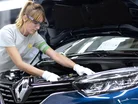
As the automotive manufacturing sector shifts towards electric vehicle (EV) production, end-of-life battery management has become an operational challenge.
According to McKinsey & Company, more than 100 million EV batteries are expected to be retired by 2035, creating both supply chain opportunities and industrial waste management obligations for manufacturers.
Renault Group has opened the first Individual System, in partnership with SUEZ through The Future is NEUTRAL, for the recycling of Renault EV batteries.
Industrial hazards in battery processing
According to the World Resources Institute, end-of-life EV batteries are classified as hazardous waste in the US and elsewhere due to hazardous components, presenting significant challenges for manufacturing facilities.
Batteries that are left in landfills leach toxic chemicals that pollute the environment, which can expose nearby communities and workers to severe health risks.
Manufacturing operations must account for these risks when designing production workflows and facility layouts.
They can also pose dangers such as fires, due to thermal runaway, a chain reaction of rapid temperature and high pressure, that causes difficult to extinguish fires and releases toxic fumes.
These operational hazards require specialised handling equipment and trained personnel within industrial facilities.
The first individual system
The Future is NEUTRAL, which operates the first Individual System (IS) in France for the end-of-life management of Renault Group Electric Vehicles Batteries, was founded in 2022 with Renault Group as its majority shareholder.
It already operates the IS for the management of end-of-life vehicles for 15 automotive brands in France.
The Future is NEUTRAL now also manages the end-of-life of batteries, extending its industrial processing capabilities across the value chain.

Integrated manufacturing operations
With The Future is NEUTRAL now managing the end-of-life of batteries, alongside the management of end-of-life vehicles, the organisation will continue to work alongside its subsidiary INDRA AUTOMOBILE RECYCLING.
INDRA AUTOMOBILE RECYCLING works in end-of-life vehicle treatment as well as in the diagnosis and securing of EV Batteries.
They direct the waste to recycling channels, with the support of its shareholder SUEZ, in recycling and waste recovery, creating a closed-loop manufacturing system.
The Future is NEUTRAL also works alongside GAIA to repair batteries and keep them in vehicles for as long as possible.
With more than 90% of defective batteries capable of repair, GAIA has repaired over 18,000 batteries since 2012, demonstrating the viability of repair operations as an alternative to full remanufacturing processes.
When a battery's remaining capacity is no longer compatible with automotive use, or if it is still functional at the end of the vehicle's life, GAIA can also prepare it for new uses for example stationary storage or other mobility applications. This secondary processing extends the productive lifecycle of manufactured components.
Operational approval and competitive positioning
The Future is NEUTRAL has been given approval to operate an IS, which allows manufacturers to demonstrate that they fulfil their obligations under EPR regulations, without delegating them to a collective structure managed by the state.
This operational model could provide manufacturers with greater control over their end-of-life processing capabilities.
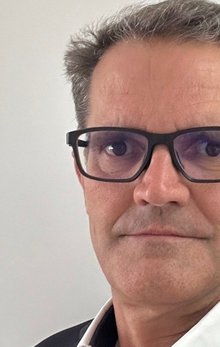
Yann Velluet, VP Battery Business at The Future is NEUTRAL, says: "This first approval reinforces our belief in the competitiveness of our IS offer for the end-of-life management of electric vehicle batteries. Leveraging the complementary expertise of our subsidiaries and partners, we offer our circular economy solutions to all automotive manufacturers.
Manufacturing leaders won’t want to miss Sustainability LIVE: The US Summit, taking place at Navy Pier, Chicago, on April 21–22.
Co-located with Procurement & Supply Chain LIVE, the event unites senior decision-makers at a time when supply chains, sustainability and business performance are more interdependent than ever.
Secure your place now for The US Summit – group booking discounts available.
Yann says: "This first approval reinforces our belief in the competitiveness of our IS offer for the end-of-life management of electric vehicle batteries. Leveraging the complementary expertise of our subsidiaries and partners, we offer our circular economy solutions to all automotive manufacturers."
Company portals


Executives
Yann VELLUET
VP Battery Business and OEM Integration