
Britvic's Bold Bid to Cut Carbon and Costs in Factories
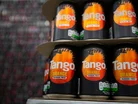
Drinks producer Britvic is reducing carbon emissions and saving energy by investing a seven-figure sum into upgrading its factory in Rugby, UK.
The environmental upgrade will involve enhancing the factory's centralised chilling system to incorporate more efficient cooling towers.
This £1.15m (US$1.41m) will be supported by a £305,000 (US$373,000) grant from the UK Government’s Industrial Energy Transformation Fund.
Britvic: at the forefront of sustainable manufacturing
“Britvic is proud to be at the forefront of our industry when it comes to sustainable manufacturing practices," says Paul Graham, Britvic’s Managing Director in Great Britain.
“This project is an important step forward in our carbon reduction efforts as well as improving the efficiency of our operations.
“Supported by the Government's Industrial Energy Transformation Fund, this initiative not only signifies our dedication to environmental stewardship but also showcases Britvic’s commitment to our Healthier People, Healthier Planet sustainability goals.”
Cutting carbon emissions
Paul says the investment will "significantly reduce" Britvic’s carbon emissions by up to 650 tonnes annually.
It will upgrade the centralised chilling system with state-of-the-art, energy-efficient cooling towers, reducing the company’s electricity consumption and improving the reliability of operations, particularly during peak summer months.
“The cooling towers will offer increased efficiency over the current heat rejection set up, allowing for a reduction in electricity consumption on the chiller units," Britvic explains. “This will provide a cost saving in the medium term and cover the cost of the investment within four years.
“This reduction in the site’s electricity consumption will also see carbon emissions cut, saving up to 650 tonnes of carbon dioxide equivalent emissions per year.”
Improving the reliability and efficiency of the chilling system will enable the production of brands such as Robinsons, Tango and Pepsi MAX to continue smoothly during warmer weather.
Heat is removed from products like Pepsi MAX before carbonation to prevent foaming and waste, as well as from drinks that have been pasteurised.
Work on the project began in November and is set to be completed by February 2025.

Boosting long-term efficiency
This project follows a £8m (US$9.7m) investment to increase efficiency at Britvic’s London factory. This was also supported by the Industrial Energy Transformation Fund, with work commencing last year.
Both projects are part of Britvic’s long-term strategy to reduce its carbon emissions.
In February last year, Britvic announced that 75% of its National Grid electricity needs in Great Britain are sourced from a 160-acre solar farm in Northamptonshire.
The farm, which could reduce carbon dioxide emissions by 642 tonnes annually from the drink manufacturer’s supply chain, is powered by a 10-year power purchase agreement with solar energy provider Atrato Onsite Energy, supported by Squeaky Energy.
In 2023, Britvic announced a similar agreement in Ireland, meaning 75% of Britvic Ireland’s total electricity requirements are now met by wind power.
Explore the latest edition of Manufacturing Digital and be part of the conversation at our global conference series, Manufacturing LIVE.
Sign up to our weekly newsletter here.
Discover all our upcoming events and secure your tickets today.