
US Chips Supply Chain: Inside TSMC’s $265bn Arizona Plans

TSMC’s site in Arizona, US will receive an incremental investment of US$100bn to build another four semiconductor fabs, bringing the site’s total investment to US$265bn.
In January 2026, the US signed a trade and investment deal with Taiwan which reduced tariffs on Taiwanese products to 15%.
More than 6,000 jobs have been created by the Arizona site so far.
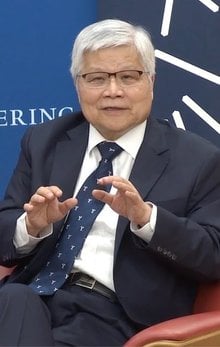
Dr. C.C. Wei, Chairman and CEO of TSMC, says: “This is to support the strong multi-year demand from our leading US customers, and we believe this investment will further foster the development of the US semiconductor ecosystem, strengthen the supply chain and support significant job creation in the United States.”
TSMC’s plans in Arizona
TSMC’s overall investment in the Arizona site has reached US$265bn with this additional announcement.
In 2024, the US government granted TSMC up to US$6.6bn in funding and another US$5bn in potential loans in accordance with the CHIPS and Science Act.
The Taiwan-based company agreed to build three greenfield fabs in Arizona through a US$65bn investment under previous US President Joe Biden’s administration.
After US President Donald Trump returned to the White House in January 2025, negotiations began over a new investment in line with changing government strategies on localisation.
TSMC pledged a further US$100bn in March 2025, setting out plans to build a further five fabs, a R&D centre and two advanced packaging facilities.

Why did TSMC choose Arizona?
Semiconductor fabs are one of the most capital-intensive manufacturing facilities on earth.
A range of tax benefits and grants available in the US and Arizona can help to offset these costs.
Alongside funding from the CHIPS Act, the Advanced Manufacturing Investment Credit can cover up to 25% of qualified capital expenditures for new facilities, which could provide savings for TSMC.
State law allows businesses that operate within an active Foreign Trade Zone to reclassify property to Class 6 for both personal and real property.
This lowers the property tax assessment ratio significantly, dropping from 17% to 5%, potentially reducing long-term infrastructure costs.
In addition to these property tax benefits, Arizona law exempts manufacturing machinery and equipment from sales tax.
A single extreme ultraviolet lithography machine can cost more than US$200m, so waiving sales tax could save TSMC hundreds of millions of dollars.
The Qualified Facility Tax Credit offers credits for new full-time jobs created. US Commerce Secretary Howard Lutnick says that the additional US$100bn investment will create “tens of thousands” of jobs.
For engineering and innovation happening on-site, Arizona offers an income tax credit equal to 24% of the first US$2.5m in qualifying R&D expenses and 15% on expenses beyond that.
Company portals



Executives
C. C. Wei
CEO