

Henkel Adhesive Technologies' Integrated Supply Chain

Henkel Adhesive Technologies' Integrated Supply Chain
Mirko Koerrenz is proud of what he and his colleagues built. And he should be. Over the course of several years from 2020, Henkel Adhesive Technologies's Supply Chain Leadership Team (SCLT) drove a wide-ranging customer-centric transformation programme that fundamentally changed the way the business thought about its customers, its performance and its place in the value chain.
By the time it closed, it had delivered genuine results and steered the business in an excellent strategic direction. And then, in the honest way that the best leaders tend to operate, the team collectively looked at what they had achieved and asked a harder question: was it enough?
"We have worked very hard on achieving functional excellence over the last couple of years," says Mirko, Henkel Adhesive Technologies’s Director of Customer Service Experience. "But we also figured out that if we want to move on, we need to integrate because customers do not look at our supply chain and see us as separate entities. They see us as one."
It’s an accurate assessment that highlights the strategic weight of true integration. The conclusion the SCLT had arrived at was that integration – genuine, end-to-end integration of functions, data, regions and collective mindset, was not just the logical next step in an operational journey, but rather, the factor that would determine whether Henkel Adhesive Technologies'supply chain became a true competitive differentiator in an increasingly complex world.
The previous transformation had been considerable, including the likes of new KPIs, redesigned customer touchpoints and a reimagined approach to service. However, the leadership team understood that functional excellence, however well executed, is not the same as a seamless and holistic customer experience – teams and regions may well be performing at the top of their game in isolation but the customer can still experience something fragmented.
Bjoern Kirchner, Corporate Vice President of Global Supply Chain for Henkel Adhesive Technologies, explains: "Integrating our data, systems and people is the real way to take an extra step when it comes to customer-centricity. For our customers, it doesn't really matter how individual functions perform. It's ultimately Henkel [Adhesive Technologies] performing. And so we need to work on the integration of all our parts in the supply chain."
That shift in perspective from internal performance to external experience had already been seeded during Henkel Adhesive Technologies’s first supply chain transformation. A key moment, Bjoern recalls, came when the team introduced the Perfect Order KPI: a measurement built not on internal data points, but on how customers themselves perceived the company's performance.
"We realised there was a big gap between how we perceived how good we were, and how our customers perceived us," says Bjoern. "The whole accountability of our performance switched, and I think that really was a decisive moment in our supply chain transformation."
For Mirko, that moment was also personal. The customer service transformation was a foundation, a programme that had successfully delivered, but also shown where the next challenge and focus was. "To be integrated means for us to share data, to make qualified decisions and to deliver the best customer experience," he says.
"Customer service is always at the forefront for us; we have a direct link to our customers every day. To give them the best, fastest and most accurate answers across planning, logistics, order and delivery, we need integration, access to data across the chain, and the ability to make the most effective decisions."
The answer, the team agreed, wasn't to be found in driving functions and teams further in silos or on a regional basis. Instead, it was about connecting them across technology, processes and culture.
Company portals

Executives
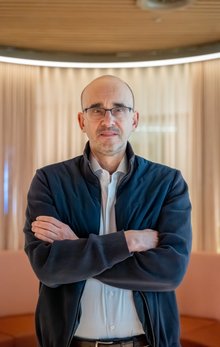
Bjoern Kirchner
Global head of supply chain for adhesive technologies | Henkel

Enrique Schleske
Director Global Supply Chain Planning Head Henkel Adhesive Technologies

Isabelle Von Babo
Vice President Supply Chain Europe Henkel Adhesive Technologies
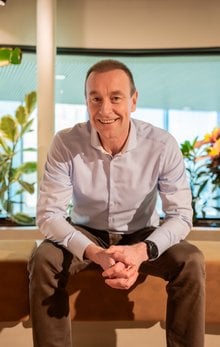
Istvan Lencz
Director of Global Logistics Henkel Adhesive Technologies

Leanne Chen
Vice President of Supply Chain North America and Mexico Henkel Adhesive Technologies
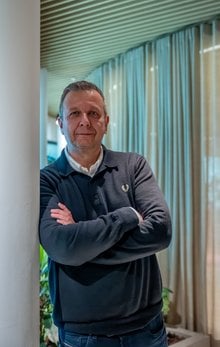
Mirko Koerrenz
Director Global Customer Service Experience Henkel Adhesive Technologies
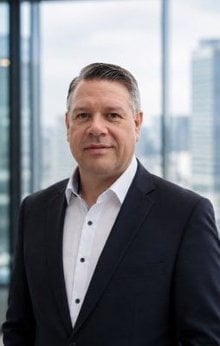
Torsten Meyer
Global Head of Material Master Data Henkel Adhesive Technologies
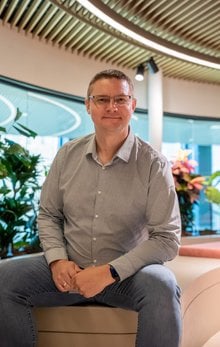
Viktar Shadurka
Head of Operations and Supply Chain Latin America Henkel Adhesive Technologies