
Amcor, Lindt & Nestlé: Recycling Aluminium for Packaging
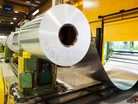
European recycling rates for aluminium packaging are around 60% according to the European Aluminium Foil Association (EAFA).
However, smaller pieces of packaging continue to slip through the gaps in existing waste management infrastructure, prompting industry leaders to take collective action.
The EAFA and Flexible Packaging Europe have announced plans to establish a European alliance focused specifically on addressing the recycling challenges associated with small aluminium packaging.
The initiative responds to a recognised gap in current systems where smaller items, despite aluminium's proven recyclability, could be lost during collection and sorting processes.

Improving collection and sorting systems
The alliance has set out to enhance recycling rates for small aluminium packaging items, with coffee capsules among the priority formats.
Its focus centres on establishing the infrastructure and processes required to enable effective collection, sorting and high-quality recycling at scale.
This approach aligns with circular economy objectives that seek to keep materials in productive use rather than allowing them to exit the value chain.
“We need to join forces in the value chain to make progress particularly with small aluminium packaging in order to achieve the PPWR targets,” says Guido Aufdemkamp, Executive Director of EAFA.
“This alliance provides a shared foundation to improve collection, sorting and recycling in a targeted way.
“Together, we will identify the respective bottlenecks in waste management which hinder a good recycling performance and conduct relevant studies supporting practical implementation of measures.
“We also rely on the experience in our network of national aluminium recycling organisations and other existing initiatives to put in practice the necessary actions.”
The challenges of recycling aluminium
While aluminium packaging generally achieves strong recycling rates, certain smaller items continue to present challenges, including:
- Coffee capsules
- Chocolate foils
- Cheese foils
- Dairy lids
- Small containers.
Modern large-scale sorting facilities possess the technical capability to separate these formats, yet this capacity remains inconsistent across Europe.
As a result, significant volumes could be directed to incineration with only partial recovery through bottom ash treatment, an approach that may not satisfy future recycled-at-scale requirements under new regulations.
The expansion of deposit return schemes for beverage containers across Europe could create opportunities for change.
- The EU's Packaging and Packaging Waste Regulation (PPWR), replacing the older Directive, sets comprehensive rules for all packaging on the EU market.
- The regulation is aiming to cut waste, boost reuse/recycling and harmonise standards through design requirements (like recyclability by 2030) and recycled content mandates.
- It is likely to impact manufacturers, retailers and consumers to reduce environmental impact and foster a circular economy.
As these programmes remove beverage containers from household recycling streams, sorting facilities may have increased capacity to focus on other packaging types, including small aluminium items.
The alliance aims to leverage this transition period to identify system weaknesses and support targeted improvements.
Cross-industry participation
Sixteen companies spanning the aluminium and packaging value chain have confirmed their involvement, with the alliance launching on 1 January 2026.
Participants include Amcor, JDE Peet's, Lindt & Sprüngli and Nestlé Nespresso, representing producers of aluminium foil, flexible packaging, coffee capsules and semi-rigid containers, as well as suppliers, brand owners and fillers.
The collaborative structure reflects an industry-wide recognition that recycling challenges for small aluminium packaging require coordinated responses.
By bringing together organisations from different points in the value chain, the alliance seeks to address systemic barriers and strengthen circular economy outcomes for these materials across European markets.
Company portals




Executives

Guido Aufdemkamp
Executive Director