How Boom Supersonic's Turbine is Powering AI Data Centres

Boom Supersonic is leveraging its aerospace expertise to power AI data centres, adapting its engine technology for the energy sector.
The organisation's Superpower natural gas turbine is now a core part of its strategy, backed by an order and a new US$300m funding round.
Known for developing a supersonic passenger aircraft, Boom Supersonic is meeting the demand for reliable and rapidly deployable energy for data centres.
AI infrastructure company Crusoe is the launch customer, placing an order for 29 turbines, representing 1.21GW of capacity. This contributes to a backlog for Superpower turbines valued at more than US$1.25bn.
The US$300m funding round was led by Darsana Capital Partners and includes participants such as Altimeter Capital, ARK Invest, Bessemer Venture Partners, Robinhood Ventures and Y Combinator.
Adapting supersonic manufacturing for power grids
The Superpower is a 42MW natural gas turbine engineered for the consistent power needs of AI data centres, which have minimal tolerance for downtime.
Boom explains that the turbine uses the same core technology as its Symphony jet engine, originally designed for the Overture supersonic aircraft. This allows the company to gather operational data while progressing aircraft certification.
Unlike legacy turbines, Superpower is designed to maintain its full rated output in temperatures above 43°C (110°F). It also operates without water, a critical advantage for data centres in arid regions.
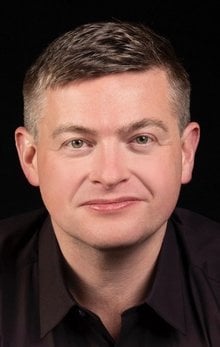
Blake Scholl, Founder and CEO at Boom Supersonic, calls supersonic technology an "accelerant" for both faster flight and artificial intelligence.
"With this financing and our first order for Superpower, Boom is funded to deliver both our engine and our airliner,” he adds.

Meeting AI infrastructure demand
Boom's Superpower turbine runs on clean natural gas with a diesel backup, ensuring the resilience required for AI workloads.
Each 42MW unit is housed in a modular package the size of a shipping container, allowing for flexible deployment on data centre campuses.
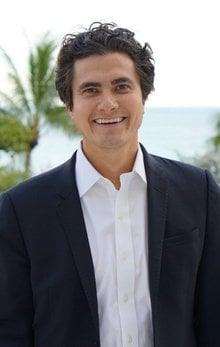
Crusoe confirmed it selected Superpower to support its energy-first approach to AI infrastructure, aiming to reduce "time-to-power" for new facilities. This represents a key challenge for operators facing long waits for grid connections.
Chase Lochmiller, Co-Founder and CEO at Crusoe, highlighted Boom's innovative technology. He stated that the partnership aligns with Crusoe’s goal to “accelerate time-to-power” and build the AI infrastructure of the future”.
US production and investment
The funding round will finance the Symphony engine's development. Revenue from the Superpower business will then support the certification and delivery of the Overture aircraft.
Darsana Capital called the turbine business a "capital-efficient" entry into the AI energy market and a smart path to building a "great American industrial company".
Boom confirmed the Superpower turbines will be manufactured in the US. It also reports that 95% of parts for its Symphony engine core prototype are in manufacturing, with testing scheduled for 2026 in Colorado.
Boom plans to scale total turbine production capacity to over 4 GW per year by 2030, positioning itself as a key power technology supplier for the AI sector.
Company portals

Executives
Blake Scholl
Founder/CEO
Chase Lochmiller
Co-Founder and Chief Executive Officer