How Eaton's Smart Energy Transforms Manufacturing
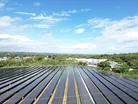
Power management company Eaton is reimagining the role of manufacturing sites through its innovative Factories as a Grid approach, which treats facilities as intelligent energy resources rather than just passive consumers of power.
The Factories as a Grid model incorporates onsite renewable generation, energy storage and digital tools to address increasing electricity prices and unreliable grid conditions.
It is part of Eaton’s broader Everything as a Grid framework, which offers flexible power infrastructure and wider energy choices to manufacturers.
With electrification advancing across industries and extreme weather becoming more frequent, factories are under increasing pressure to safeguard energy reliability while also keeping operations as robust as possible.
Traditionally, electrical systems have behaved like passive components on the grid, consuming power as needed.
Eaton’s method changes this through the use of smart technology that enables factories to actively produce, store and use electricity depending on real-time needs.
The greater flexibility this offers supports operational efficiencies, reduces dependence on utility networks and helps stabilise costs during volatile periods.

Active energy use at the Arecibo facility
A working example of the Factories as a Grid model is already in operation at Eaton’s manufacturing plant in Arecibo, Puerto Rico.
The site produces circuit breakers used in homes, commercial buildings and industrial environments.
It features a microgrid that integrates solar panels, battery systems and digital controls. This allows the facility to continue functioning even when the main grid is down.
The overarching objective is to lower energy usage, trim operating expenses and cut emissions through smarter energy decisions.
The system reacts in real time to external factors such as weather and pricing, allowing it to decide whether to generate, store or purchase electricity from the main grid at any given moment.
Marc Elliott, who leads Eaton’s mining, metals, minerals, pulp and paper segment, outlines the challenges that manufacturers face: “There are multiple global megatrends at play impacting manufacturing. Everything is electrifying and extreme weather events are becoming more common.”
Using Brightlayer to manage energy flows
Eaton’s Brightlayer platform plays a key role in supporting the Factories as a Grid strategy.
It provides operational data and analytics that help managers track energy use, production and system performance.
By gathering and processing real-time information, the platform can identify areas where energy systems can be made more efficient or flag upcoming maintenance needs.
This allows plant managers to balance power use across various production stages and better coordinate how renewables and battery storage interact.
- Improved resilience using proven microgrid technology, onsite renewable energy generation and energy storage to support always-on power during grid interruptions.
- Reduced energy costs through the ability to react to real-time grid conditions and strategically produce, store and consume electricity generated on site.
- Improved energy efficiency and equipment performance supported by Eaton’s Brightlayer portfolio that delivers real-time and actionable insights.
- Cost-effective electrification including accommodations for electric fleet charging infrastructure that help reduce costs and save time.
- Accelerated decarbonisation through the integration of onsite clean energy resources that can be monetised to maximise return on investment.
During periods of high demand, Brightlayer can shift operations to lessen pressure on the grid or even export surplus energy to the utility.
Electric vehicle (EV) charging is also built into the system. By integrating EV infrastructure into the facility’s microgrid, manufacturers avoid the need for expensive grid upgrades and can manage vehicle charging based on energy availability and plant workloads.
The approach contributes to emissions reduction targets by helping plants get the most from their own clean energy systems.
It also opens new commercial opportunities, such as selling excess power or engaging in peer-to-peer energy trading with other sites. This adds financial flexibility beyond core production activities.
Marc notes: “Solving these challenges requires integrated solutions that transform electrical systems from simple loads on the grid into intelligent business assets that assure energy security.
“At Eaton, we’re leveraging our expertise and industry-leading solutions to help our customers make that happen.”
Industrial sector takes centre stage
The Factories as a Grid concept was featured at the Reuters Global Energy Transition 2025 event in New York City on 25 June. Matt Hockman, President of Global Energy Infrastructure Solutions at Eaton, presented the company’s strategy, focusing on how smarter energy systems can help meet industrial energy needs.
Eaton works with a wide range of clients across sectors including data centres, utilities, industrial production, commercial buildings, machinery, residential developments, aerospace and mobility.
In 2024, the company recorded revenues close to $25bn and operates in more than 160 countries.
Founded in 1911, Eaton has shaped its offerings to reflect shifting market demands. With a focus on electrification and digital tools, it continues to develop power management products that help manufacturers respond to complex energy challenges while aiming to meet environmental goals.