
How is Ferrero's Kelloggs Takeover Reshaping Manufacturing?
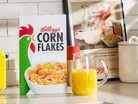
Ferrero, the privately owned Italian confectionery group, is landing in the breakfast aisle with its US$3.1bn acquisition of WK Kellogg Co.
The deal secures Ferrero a place in the US cereal market and pushes its manufacturing and supply chain ambitions deeper into North America.
The acquisition sees Ferrero buying WK Kellogg Co for US$23 per share in cash—a 40% premium over the average share price from the past month.
It's a manufacturing and distribution play, extending Ferrero’s supply chain footprint across the US, Canada and the Caribbean. Brands in the deal include Frosted Flakes, Kashi and Raisin Bran, with Ferrero also taking on Kellogg's longstanding operations hub in Battle Creek, Michigan.

Expanding Ferrero’s North American production presence
Ferrero is not new to growth by acquisition. In the past five years, it has brought in US-based names like Keebler, Famous Amos, and more recently the frozen treat maker behind Blue Bunny and Bomb Pop.
The latest deal adds WK Kellogg Co's cereal-focused production network to Ferrero's North American operation, which already includes 22 plants and 11 offices supporting brands like Nutella, Kinder and Tic Tac.
While Ferrero is known for chocolate and confectionery, cocoa’s price volatility has pushed the company to reduce reliance on its core ingredient.
Crop diseases and extreme weather in cocoa-producing regions have sent costs soaring since 2023. The cereal move offers a practical counterbalance, bringing in a new category with established processing and packaging systems already in place.
Ferrero Chief Executive Lapo Civiletti says WK Kellogg Co "represents a meaningful addition to the Ferrero Group," especially as the new brands allow it to reach "more consumption occasions."
That means Ferrero now touches more parts of the grocery store and, crucially, more consumer routines.
Kellogg’s legacy becomes Ferrero’s logistics future
Ferrero inherits a company that’s still adjusting to its independence. WK Kellogg Co separated from Kellogg Co’s snack arm (now called Kellanova) in 2023. The cereal division has been under pressure since then, revising sales forecasts amid changes in American buying behaviour.
Higher-income shoppers are steering away from sugar-heavy items, opting instead for "healthier" shelf alternatives. Meanwhile, cost-conscious consumers are turning to store-brand cereals to save money. These two shifts have squeezed branded cereal sales and prompted Kellogg to cut its forecast in May.
But Ferrero sees opportunity where the market sees caution. Its plan is not just to hold onto these brands but to invest in them. That includes supply chain upgrades, marketing support and product innovation.
Ferrero already brings experience from scaling US-based acquisitions. Applying those same operational methods to cereals like Special K and Rice Krispies could deliver the scale and stability WK Kellogg Co has lacked since its spin-off.
The manufacturing implications are broad. Ferrero will take over cereal production plants and handle distribution from within the same logistics networks that support its other North American brands. This means streamlining supply chains and potentially developing new product bundles that marry its chocolate and cereal portfolios.
Gary Pilnick, Chairman and Chief Executive Officer of WK Kellogg Co, says the move "will provide WK Kellogg Co with greater resources and more flexibility to grow our iconic brands in this competitive and dynamic market."
He notes Ferrero’s alignment with WK Kellogg’s founding values and says the companies share a "winning culture."
Risks, integration and what's next
Regulatory approval in the US and beyond still stands between announcement and closure, with completion expected in the second half of 2025.
However, backing from 21.7% of WK Kellogg Co shareholders, including the W.K. Kellogg Foundation Trust and the Gund Family, means the deal already has weight behind it.
Kellogg’s preliminary second quarter results show net sales between US$610m and US$615m and adjusted EBITDA between US$43m and US$48m. That EBITDA margin - somewhere between 6.1% and 7.9% - is below sector leaders, but Ferrero sees potential in bringing its own efficiencies into play.
Analysts watching the deal see room for cross-promotion, bundling and manufacturing integration. With health-conscious trends and sustainability expectations pressing in, Ferrero will have to adapt its production standards accordingly.
ESG concerns could also steer decisions on packaging, ingredient sourcing and labour practices.
That said, the infrastructure is already there. With Battle Creek remaining a cereal headquarters and Ferrero planning to retain key teams, the company is banking on continuity paired with supply chain investment.