Can Siemens and Airbus Cut Aviation Manufacturing Emissions?
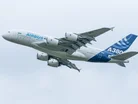
A strategic partnership between Siemens, Airbus and Capgemini has been formed to reduce greenhouse gas emissions within manufacturing operations.
The collaboration is centred on Airbus's objective to lower its environmental footprint, with Siemens' Buildings business leading the contract, supported by Capgemini. This alliance combines expertise in sustainability and digitalisation to help achieve specific environmental targets.
The initiative is a component of a wider programme at Airbus to diminish its operational environmental impact. According to the programme's targets, Airbus aims for a 20% reduction in energy consumption and an 85% cut in Scope 1 and 2 stationary emissions by 2030.
As part of the agreement, Siemens will implement scalable decarbonisation solutions designed for selected Airbus manufacturing sites. The goal is to abate 80 kt of CO2e annually from 2030. These solutions, delivered with Capgemini, include renewable energy integration, smart energy management and low-carbon heat systems.
Manufacturing decarbonisation through scalable technology
To meet these targets, Siemens will conduct site evaluations and develop a comprehensive decarbonisation masterplan. This plan will feature solutions to lower both energy demand and carbon emissions. The use of energy system twins will be employed to simulate and identify the most effective decarbonisation roadmaps for the manufacturing sites, which could accelerate the selection of appropriate measures.
Key elements of the technological rollout include:
- decarbonisation of heat production using heat pumps
- upgrades to improve energy efficiency
- implementation of smart metering systems
- on-site smart integration of renewable energy sources
- smart energy management systems to monitor, control and optimise energy use across the sites.

A Strategic Alliance for Industrial Resilience
Capgemini's role in the initial phase involves consulting activities, defining governance and supporting project management and planning. Capgemini also contributes its experience in the digitalisation and automation of energy monitoring and measurement systems, a critical component for modern manufacturing facilities.
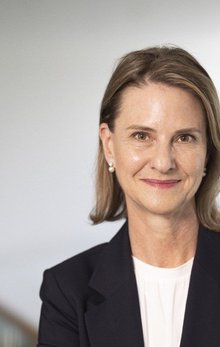
Susanne Seitz, CEO of Buildings at Siemens Smart Infrastructure, says: “Our collaboration with Airbus is built on years of mutual trust and shared ambition. It highlights Siemens’ capability to deliver smart and scalable technologies and services to reduce the carbon footprint of Airbus.”
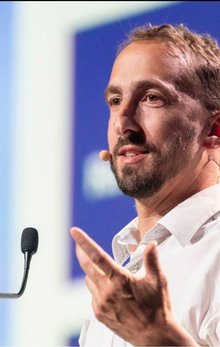
Florent Massou dit Labaquere, EVP Operations of Airbus Commercial Aircraft, says the agreement will “keep Airbus on the right path”.
He adds: “We’re proud to be taking this important step toward making our operations more energy-efficient and future-ready. Collaborating with trusted partners is key in building a more resilient industrial footprint. The site-specific expertise from our Airbus colleagues in the UK and the US combined with Siemens’ technical know-how will keep us on the path toward meeting our energy use and emission reduction targets.”
A Roadmap to Greener Operations
The project's initial phase commenced in the summer of 2025, focusing on the creation of decarbonisation roadmaps for each manufacturing location. Following this, engineering studies will inform the implementation process, with the rollout of new infrastructure scheduled to begin in 2026. Siemens may also take on the operation and maintenance of this infrastructure to ensure long-term efficiency.
Seitz adds: “At Siemens, we’re committed to making the energy transition not only sustainable, but also achievable and scalable, so that Airbus and other industrial leaders can confront climate challenges while boosting operational resilience and long-term competitiveness.”
This long-standing relationship between Siemens and Airbus, which spans over fifty years, has previously included collaborations in factory automation and industrial software. This new agreement marks an important step in applying their combined expertise to the challenge of decarbonising large-scale manufacturing operations.


Executives
Florent Massou dit Labaquère
EVP Operations commercial aircrafts & member of Airbus executive committee
Susanne Seitz
CEO Buildings Smart Infrastructure