India & EU Trade Deal: The Impacts for Manufacturers
After 20 years of intermittent dialogue and complex negotiations, the European Union and India have finalised a significant Free Trade Agreement (FTA).
The deal could represent a substantial transformation in global supply chain architecture, linking 27 European nations with one of the planet's fastest-growing economies.
As US President Donald Trump's administration continues to impose tariffs, including a proposed 50% levy on Indian goods and sustained tensions on European trade, both Brussels and New Delhi appear to be seeking more stable commercial partnerships.
"Ultimately it could expedite trade decoupling from the US and other unreliable partners. It will mean reducing dependencies on Trump's America, or China for that matter, reducing vulnerabilities to on-again, off-again tariffs, export controls and the general weaponisation of supply chains," Alex Capri of the National University of Singapore told the BBC.
For Brussels, India could offer an alternative to China, while New Delhi views the EU as a significant and reliable market.
Key duty reductions
Central to the arrangement are significant tariff reductions.
India currently operates one of the world's most restrictive automotive markets, though this could be poised to change.
According to the agreement, luxury cars currently facing tariffs of 70% to 110% will see these slashed to 40%, though this applies specifically to vehicles valued above €15,000 (US$15,750) and is limited to an annual quota of 200,000 units.
Electric vehicles, however, will see no immediate change to existing duties of 70% to 110%, as the sector is being shielded for 5 years to support domestic manufacturing and local ecosystems.
The textile and jewellery sectors, which previously faced high tariff barriers, will see these reduced to near zero in a move that could restore competitiveness.
Wine and spirits, historically subject to high duties, will undergo a staged reduction over several years using a framework comparable to the UK-India deal structure to progressively open the market.
Hardeep Singh Brar, President and CEO of BMW Group India, added that the duty cut would be a "genuine win-win," enabling luxury segment growth without disrupting the mass market.
Meanwhile, India is leveraging these concessions to negotiate reduced barriers on its steel exports and the restoration of Generalised System of Preferences (GSP) benefits.
Non-tariff barriers
While tariffs may be declining, non-tariff obstacles remain significant.
Europe's Carbon Border Adjustment Mechanism (CBAM), essentially a carbon tax, could present a considerable challenge.
Ajay Srivastava, founder of GTRI, notes that CBAM "effectively acts as a new border charge on Indian exports," particularly impacting MSMEs with high compliance costs.

Intellectual Property concerns also continue, as the EU pushes for more stringent patent standards and data protection measures, which remains a contentious issue for India's pharmaceutical and technology sectors.
Timeline and implications
According to Indian government officials cited by Reuters, formal signing will follow a five to six-month legal review process.
The anticipated implementation timeframe is within one year, targeting early 2027.
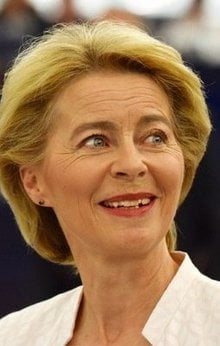
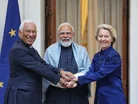
"We have concluded the mother of all deals," European Commission President, Ursula von der Leyen, posted on X after meeting Indian Prime Minister, Narendra Modi, in Delhi.
He called the deal "historic".
A notable increase in Indian garment and pharmaceutical exports appears likely as GSP benefits are restored, potentially lowering the Landed Cost of Goods Sold for EU importers.
The 40% ceiling on car tariffs, eventually moving towards 10%, could stimulate renewed foreign direct investment from European original equipment manufacturers such as Volkswagen and Mercedes-Benz into Indian production facilities.
Company portals


Executives

Hardeep Singh Brar
CEO of BMW Group India
Ursula von der Leyen
President