Why is Novo Nordisk Targetting Manufacturers and Suppliers?

Danish pharmaceutical firm Novo Nordisk has initiated a structured environmental programme to engage its suppliers, manufacturers and contractors.
The plan aims to help Novo Nordisk meet its climate and nature goals by 2045.
'Suppliers for Zero' addresses the reality that the majority of Novo Nordisk's environmental impact is from Scope 3 emissions, which occur outside its direct operational control.
According to Novo Nordisk, around 95% of its emissions are from its supply chain, making collaboration essential to achieving its net zero targets.
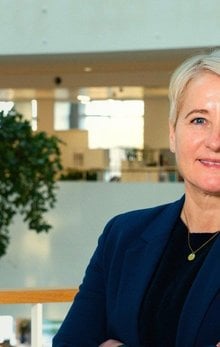
"With more than 95% of our environmental impact coming from our supply chain, working closely with our suppliers and CMOs is essential," says Dorethe Nielsen, Vice President at Novo Nordisk.
Targeting key environmental domains
The Suppliers for Zero programme is concentrated on three main environmental areas.
These are climate action, which includes greenhouse gas emissions and energy consumption, nature protection - covering land use and water management - and the reduction of plastics with a focus on material circularity and packaging.
Instead of applying a single set of requirements to all its suppliers, Novo Nordisk has structured the programme to foster collaboration with partners who are prepared to align with its environmental objectives.
All suppliers and contract manufacturing organisations (CMOs) are expected to adhere to Novo Nordisk’s Responsible Sourcing Standard.
A key requirement is the sourcing of renewable electricity for the goods and services they provide to Novo Nordisk. Further initiatives will be determined through engagement with individual suppliers.
Demonstrating supply chain progress
Novo Nordisk has already made progress in certain areas of its value chain.
Since 2021, the use of lower-carbon fuels within the Maersk shipping network has resulted in a reduction of up to 84% in CO₂ emissions for Novo Nordisk's distribution compared to conventional fossil fuels on a well-to-wake basis.
Novo Nordisk is also investigating fossil-free alternatives for its products. In partnership with the LEGO Group and European Energy, it is exploring materials such as e-methanol produced via Power-to-X technology.
This development could potentially replace the conventional plastic used in medical devices like insulin pens. In its agricultural sourcing, Novo Nordisk has started to procure glucose from regenerative farming practices to address land degradation.
Novo Nordisk has secured initial contracts with suppliers that cover more than 10% of its glucose supply and aims to source all its glucose from regenerative agriculture by 2033.
This change could reduce greenhouse gas emissions and water pollution while enhancing soil health and biodiversity.
Fostering collaboration for sustainability
Novo Nordisk has integrated the programme with wider industry partnerships that encourage standardisation and supplier training.
"Years of collaboration with like-minded partners have gotten us far, but we want to take the collaboration across our value chain even further," says Dorethe.
She adds: "Let's face it: we get nowhere alone".
Novo Nordisk is an active participant in three major supplier initiatives: Energize, which is focused on renewable energy for pharmaceutical suppliers, the Pharmaceutical Supply Chain Initiative and the Sustainable Markets Initiative.
Novo Nordisk acknowledges that its suppliers have different levels of maturity in their environmental practices.
In its official statements, it says: "We acknowledge that fulfilling our expectations will be a journey – some suppliers and CMOs have made significant progress while others are just beginning."
Despite this, Novo Nordisk expects all its suppliers and CMOs to show progress on the stated priorities to help meet its interim targets for 2033.
"Building on our Circular for Zero strategy, Suppliers for Zero aims to support the dialogue on our key environmental challenges with suppliers and CMOs and is a necessary tool in executing on our environmental roadmaps," Dorethe explains.
The details of the programme have been made available in an Environmental Guide for Suppliers and CMOs, with local procurement and category managers coordinating its implementation.
Company portals


Executives
Dorethe Nielsen
Vice President - Corporate Environmental Strategy