Iran War: Auto & Aero Manufacturers Face Aluminium Shortage
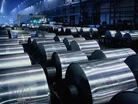
Middle East volatility has disrupted global supply chains around the world.
According to Wood Mackenzie, the conflict could remove 3.5 million tonnes of aluminium output in 2026. This would leave automotive, aerospace and packaging manufacturers facing lasting instability from raw material shortages and shipping delays.
The aluminium industry's reliance on Middle Eastern production has become more apparent as geopolitical tensions escalate.
Regional facilities account for a substantial portion of global capacity, making any disruption particularly consequential for international markets.

Regional production under pressure
Aluminium producers in the Middle East face challenges in securing sufficient alumina and other raw materials to maintain production.
Lower utilisation rates have not resolved the supply difficulties and exports face disruption from shipping risks through core routes.
According to Wood Mackenzie, 6.8 million tonnes of aluminium production is at risk of disruption. This represents 18% of global exports excluding China.
Around 80% of production near the Strait of Hormuz goes to export markets.
The geographical concentration of production facilities near maritime chokepoints has created vulnerability within the supply chain. Producers have limited alternatives when primary shipping routes become compromised or unsafe for commercial vessels.
This disruption could have global consequences. Wood Mackenzie expressed concerns for both short-term and long-term outlooks for global aluminium.
“The Strait of Hormuz is effectively a chokepoint for the global aluminium market,” said Charvi Trivedi, Principal Analyst at Wood Mackenzie.
"Disruptions here could cut off up to 60% of alumina supply to Middle Eastern smelters, rapidly deepening the market deficit.
“The longer the conflict persists, the more difficult it becomes for producers to sustain operations, with risks increasingly skewed toward further supply losses and higher prices.”
Attacks intensify supply risks
Direct attacks on smelters in the United Arab Emirates and Bahrain have made the situation tougher. EGA's Al Taweelah smelter in the UAE and Alba in Bahrain both suffered strikes.
Wood Mackenzie says these events could create a market deficit of four million tonnes in 2026 and reduce global output by 3%.
EGA had to halt operations after attacks damaged its power plant. At Alba, 19% of capacity shut down due to alumina shortages and the facility is expected to operate at 30% utilisation following damage.
Qatalum in Qatar is operating at 60% of capacity. Ma'aden in Saudi Arabia supplies alumina to neighbouring smelters at an emergency rate.
Producers are exploring contingency options, including 1,400 km overland trucking routes despite high costs.
The financial burden of alternative logistics adds pressure to already strained operations. Trucking costs significantly exceed maritime shipping expenses, potentially affecting profit margins and long-term viability.
"The longer the conflict persists, the more difficult it becomes for producers to sustain operations, with risks increasingly skewed toward further supply losses and higher prices," says Charvi.
Downstream sectors face exposure
Middle Eastern aluminium production typically exports to South Korea, Turkey, Japan and Mexico. Production disruption and delayed logistics pose risks to manufacturing supply chains in these markets.
"What this disruption highlights are how concentrated and fragile aluminium supply chains have become," says Uday Patel, Principal Analyst at Wood Mackenzie.
"With so much production and export infrastructure tied to a single trade route, even short-term disruptions can have outsized and immediate global consequences."
Manufacturers dependent on consistent aluminium supplies may need to adjust production schedules or seek alternative materials.
Price and substitution outlook
According to Wood Mackenzie, aluminium prices could reach between US$3,700 and US$3,800 per tonne due to disruptions.
Near-term substitution and thrifting could bridge the gap. For example, the packaging industry could use scrap, copper and PET as a temporary fix.
This approach offers a short-term solution to what could be a long-term issue.
Supply from other regions remains limited. China, for example, has a 45 million tonne production cap and Russia, India and Indonesia cannot meet demands or offset losses.
Wood Mackenzie says the effects could persist for years, even if short-term solutions emerge.
Company portals

Executives
Charvi Trivedi
Principal analyst - Aluminium markets
Uday Patel
Senior Research Manager – Aluminium