
EPA's Repeal of GHG Rules and its Impact on Manufacturing
The U.S. Environmental Protection Agency (EPA), under the leadership of Administrator Lee Zeldin, has proposed a significant policy change to rescind the 2009 Endangerment Finding.
This legal decision underpins federal GHG regulations impacting manufacturing sectors involved with vehicles and engines
Understanding the endangerment finding
Implemented in 2009, the Endangerment Finding enabled the EPA to impose regulations on GHG emissions under the Clean Air Act.
It identified six major pollutants, including CO₂, as public health risks. This legal framework has influenced over US$1tn in climate regulations, including mandates related to electric vehicles.
Arguments for repeal
Administrator Zeldin argues that these regulations burden consumers and manufacturers without robust scientific support.
"With this proposal, the Trump EPA is proposing to end sixteen years of uncertainty for automakers and American consumers,” says Zeldin.
He adds: “The Obama and Biden EPAs twisted the law, ignored precedent and warped science to achieve their preferred ends.”
Zeldin highlighted that removing the finding could eliminate US$1tn or more in hidden taxes for businesses and families, reinstating consumer choice, reducing supply costs and impacting manufacturing processes linked to trucking.
Chris Wright, Secretary of Energy, says: “Thanks to President Trump’s leadership, America is returning to free and open dialogue around climate and energy policy.
"Policies that expand access to affordable, reliable, secure energy and improve quality of life for all Americans.”
Support from political and industry leaders
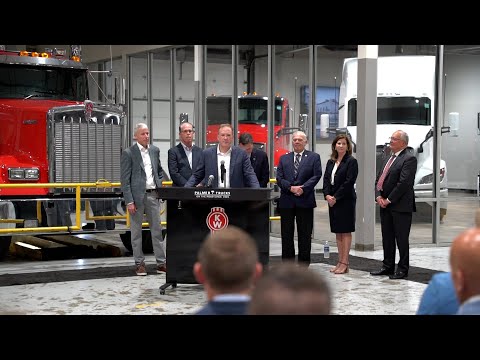
The announcement gained endorsement from Indiana's political leaders and Congress members.
Governor Mike Braun says: “Today’s announcement is a win for consumer choice, common sense and American energy independence.”
Attorney General Todd Rokita adds: “Over the last four years, conservative state attorneys general were the last line of defence. Now, we are on the front lines helping to unleash American energy.”
Chris Spear, President and CEO of the American Trucking Associations, supported the rollback of GHG Phase 3 rules: “This electric-truck mandate put the trucking industry on a path to economic ruin. We need policies rooted in real-world conditions.”
Kelly Loeffler, head of the Small Business Administration, says: “Thanks to President Trump, the Obama-Biden green new era is finally ending. EPA’s reconsideration will eliminate burdensome regulations and save small businesses at least US$170bn."
Bigger picture of sustainability
While the EPA supports the repeal with new scientific data and economic evaluations forecasting US$54bn in annual savings, climate advocates argue this could hinder emission reduction progress.
The EPA's new stance suggests previous links between vehicle emissions and climate risks were speculative, citing evidence like the Department of Energy’s 2025 Climate Work Group study.
This proposal would impact manufacturing by removing emissions standards from all new light-, medium- and heavy-duty vehicles, affecting standard features designed to cut emissions, such as start-stop capabilities.
Legal and scientific reactions
EPA’s decision also rests on Supreme Court decisions, such as West Virginia v. EPA, which clarify that key regulatory decisions should come from Congress.
Administrator Zeldin claims that the 2009 finding ignored legislative intent: “The Obama Administration ignored Congress’ clear intent using unprecedented logic to expand EPA’s power.”
The stance could face challenges from environmental groups and states viewing the rollback as politically motivated
EPA has opened a public comment period, with details available on its website and in the Federal Register.
Concurrently, it is reassessing vehicle standards for 2027 and beyond, including the potential rollback of the EV mandate.
The success of this proposal will hinge on legal scrutiny, scientific debate and political developments. It marks a notable deregulatory move in US environmental policy, potentially reshaping the nation’s climate trajectory and its broader involvement in sustainability initiatives.