Schneider Electric: Inside a Global Talent Lighthouse

Schneider Electric’s Wuhan factory in China has been recognised by the World Economic Forum (WEF) as a Global Lighthouse for Talent.
It is one of just three sites worldwide to earn this recognition for operational sites achieving a transformative impact on the workforce.
This factory is Schneider’s ninth total Lighthouse and its first recognised for Talent.
Rapid automation and a 239% product portfolio expansion brought huge changes to the Wuhan Factory which the company has been addressing since 2024.
“The Fourth Industrial Revolution is about people as much as technology,” says Mourad Tamoud, Chief Supply Chain Officer at Schneider Electric.
“At Wuhan, we’ve shown that when AI and human potential work together, organisations can build resilient, agile and future-ready workforces – while ensuring technology serves its ultimate purpose: delivering more value to customers.”
What is a Global Talent Lighthouse?
The Global Lighthouse Network (GLN) is a WEF initiative co-founded with McKinsey & Company.
The network was launched in 2018 to identify frontrunners scaling new technologies and help other businesses to do the same.
It began with 16 founding members and has grown to include more than 220 lighthouses across 35 industries.
Advanced Fourth Industrial Revolution (4IR) Lighthouses were the first designation, recognised for improvements in productivity and agility.
End-to-End Lighthouses followed, recognising companies that integrate 4IR tools beyond the factory floor.
Sustainability Lighthouses were added in 2021 for those using technology to achieve environmental gains while remaining profitable.
The Talent designation was first awarded in September 2025.
While it has always been recognised as an enabler in these categorisations, global labour shortages showed that technology alone cannot sustain 4IR gains without a similar people-centred transformation.
This recognises facilities for progress in five areas:
- Work design: Using robots or AI to remove dangerous or repetitive tasks
- Talent planning: Using data to predict what skills the company will need in the future
- Talent attraction: Creating digital training programmes to attract younger generations
- Skilling and upskilling: Deploying augmented or virtual reality training or no-skill pathways that allow anyone to learn complex tasks quickly
- Worker experience: Using digital platforms to give frontline workers more control over their career growth.
All manufacturing leaders should attend:
- Procurement & Supply Chain LIVE: The Net Zero Summit - QEII Centre, London, 4-5 March 2026
- Procurement & Supply Chain LIVE: The US Summit - Navy Pier, Chicago, 21-22 April 2026
Co-located with Sustainability LIVE, these events bring together Chief Operations Officers, Chief Procurement Officers and senior decision-makers to discuss the strategies building the future.
Book your tickets online today with group discounts available.
Schneider Electric’s Wuhan factory
From 2024 to 2026, the Wuhan factory increased automation by 55% and expanded its product portfolio by 239%.
Initially just 20% of employees were skilled in automation, onboarding took 75 days and technician turnover reached 48%.
To address these challenges, Schneider implemented what it describes as a “future-ready, people-centric workforce model”.
It partnered with 11 vocational schools to deliver digital apprenticeships, AI labs and scholarships, creating a sustainable skills pipeline.
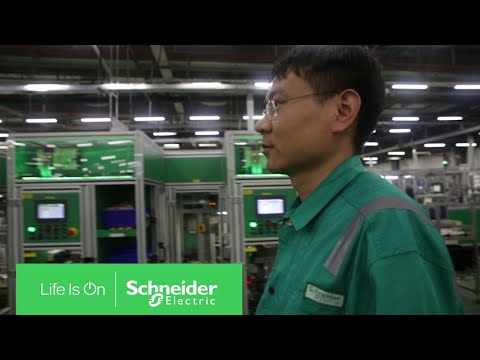
Agentic AI was used to track skill gaps and assign personalised training supported by “pay-for-skills” career paths.
This increased workforce readiness from 20% to 76% and 56% of employees were upskilled.
Optimised task allocation was used to reduce overtime and improve delivery performance, alongside smart guidance and mentor-pairing to cut repair time and reduce technician turnover from 48% to 6%.
Repetitive tasks were automated, shortening new product introduction cycles by 66.7% and freeing engineers for high-value work.
New product introduction lead time also reduced from 36 to just 12 months.
“Competitiveness today is no longer defined by efficiency alone, but by the ability to sense, adapt and respond at speed,” says Kiva Allgood, Managing Director at the WEF.
“This year’s industrial transformation sites show how intelligence-led operations are being scaled to place resilience and sustainability at the core of how industry operates.”
Company portals

Executives
Kiva Allgood
Managing Director
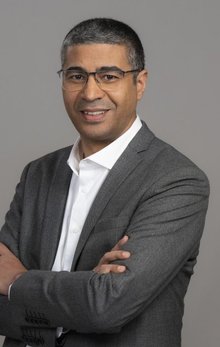
Mourad TAMOUD
Chief Supply Chain Officer