
Why Tesla is Investing $250m in its Berlin Gigafactory
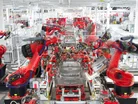
Tesla is investing US$250m in its Gigafactory in Berlin, following strong performance in the European market and a strategic push to reclaim its position in the region's electric vehicle sector.
The American electric vehicle (EV) manufacturer has recorded robust sales across Europe in recent months, supported by renewed interest in electric vehicles more broadly.
The carmaker, which had previously been losing market share in the region, is now strengthening production capacity at the facility in a move that could bring 1,500 new jobs to the plant.
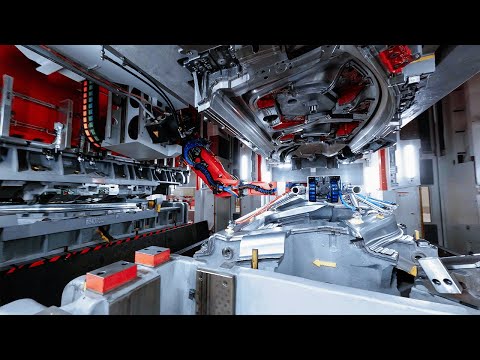
Cell production increase
The planned increase covers 18 gigawatt-hours (GWh) of annual 4680 cell production. This represents an increase from a previously planned 8 GWh.
The investment in the Gigafactory builds on a planned 20% production increase at Tesla's Berlin facility.
Reuters reported in January 2026 that Tesla would create 1,000 new jobs at its German Gigafactory by the end of June in order to increase weekly production by approximately 20% from the third quarter of 2026.
Andre Thierig, Tesla's Senior Director, Manufacturing Giga Berlin, announced the development in a post on LinkedIn: "Today, we announced a US$250m investment for our Giga Berlin Cell factory.
"This will enable 18 gigawatt-hours (GWh) of annual 4680 cell production and create more than 1,500 new jobs. Good news during challenging times for the German industry."
Scaling battery cell production
Tesla's Gigafactory in Berlin-Brandenburg, or Giga Berlin, is Tesla's first manufacturing location in Europe.
At the facility, Tesla manufactures battery cells in-house alongside EVs. On its website, Tesla claims the facility is "its most advanced, sustainable and efficient facility yet".
In May 2026, Tesla announced via a post on X, another of Tesla CEO Elon Musk's ventures, that 750,000 cars had been built at Giga Berlin.
Regional sales momentum returns
Across Europe, Tesla sales are up significantly. In France alone, sales of its vehicles were up 203% in March 2026, with very high sales also reported in Norway, Sweden and Denmark in the same month. The upward trend continued into April 2026.
Tesla had been significantly losing ground in Europe due to a variety of factors, including Chinese competitors gaining market share and a reaction of the European public to Elon Musk's political views and association with US President Donald Trump.
However, registrations in April dropped in Spain, Italy and Portugal to varying degrees, Reuters reported, citing industry groups. On balance, Tesla is trending upwards in Europe, which marks a change after successive months of decreases.
An EV surge
Some of the renewed interest in Tesla is also explainable due to a surge in general EV sales in Europe, according to industry analysts at Benchmark Mineral Intelligence.
The renewed interest is arguably driven by price conscious consumers switching from internal combustion engine (ICE) vehicles to EVs in light of heightened fuel costs driven by the US and Israel's war with Iran.
Europe's April 2026 EV sales are up 26% on 2025 sales, according to Benchmark Mineral Intelligence. This follows a record month for Europe in March 2026 where sales rose 37% year-on-year.
Charles Lester, Data Manager at Benchmark Mineral Intelligence, commented on the statistics: "Europe remains the main engine of growth, with sales up 26% year-to-date and April volumes exceeding 400,000 units. Demand continues to be supported by policy incentives, rising petrol prices and growing Chinese original equipment manufacturer (OEM) presence."
The investment in Berlin's manufacturing capacity could position Tesla to capitalise on this broader market trend while competing with established automotive manufacturers and emerging Chinese competitors in the European manufacturing landscape.
Company portals
Executives

Andre Thierig
Senior Director, Manufacturing Giga Berlin
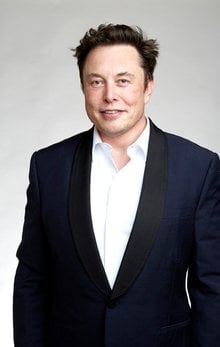
Elon Musk
Tesla CEO