
Tetra Pak's Heat Pump: A Game-Changer for Manufacturing?

Tetra Pak has launched a new integrated heat pump system, adding to its Factory Sustainable Solutions portfolio.
The system is designed to electrify the pasteurisation process for food and beverage producers, targeting a reduction in both energy use and carbon emissions. It offers a method for manufacturers to lower operational costs while addressing environmental pressures.
The technology focuses on recovering and repurposing waste heat, a significant factor in traditional pasteurisation. Conventionally, this process uses boilers powered by fossil fuels for heating, alongside electric chillers for cooling.
The system from Tetra Pak integrates these functions. It employs an electric heat pump that captures low-temperature waste heat, upgrading it to the higher temperatures required for pasteurisation while concurrently producing ice water for the cooling phase.
Heat recovery and process efficiency
The system is designed for high efficiency. For every 1kWh of electricity the heat pump consumes, it is claimed the system can recover up to 2kWh of heat.
This level of performance suggests it could be up to three times more efficient than conventional boilers that are often used in food and beverage manufacturing. The process of capturing and upgrading waste heat is central to its function, offering a route to decarbonise thermal processes.
For food and beverage manufacturers, the implications for operational budgets and environmental targets could be notable. Tetra Pak provides an estimate for a typical large-scale dairy line that processes 60,000 litres of milk per hour and operates for 6,000 hours a year.
In this scenario, Tetra Pak calculates that annual operating expenses could be reduced by up to US$250,000. On the environmental side, the same operation could lower its CO₂ emissions by as much as 650 tonnes annually.
These figures are based on specific process conditions and the efficiency of existing utility systems, so actual results will vary between facilities.

Applications in food and beverage manufacturing
The heat pump system is aimed at producers who operate large-scale pasteurisation lines. Tetra Pak has identified several key applications where the technology could be implemented, including:
- Fruit juice
- Chilled milk
- Cheese production
- Ambient milk pre-treatment
"Food and beverage producers need smarter ways to reduce energy use without compromising performance," explains Nicole Uvenbeck, Director of Factory Sustainable Solutions and OEM Components at Tetra Pak.
"The new heat pump system delivers up to three times the efficiency of conventional boilers, recovering 2kWh of heat for every 1kWh of electricity."
Nicole notes that Tetra Pak collaborates with its customers to integrate the system into their current operations, using its processing expertise and global network.
Electrification of industrial thermal processes
The introduction of this system occurs as food and beverage manufacturers face growing pressure to decrease their reliance on fossil fuels. This pressure is driven by volatile energy markets and increasingly stringent emissions regulations.
Industrial heat pumps are gaining more attention across European manufacturing sectors as governments encourage the electrification of thermal processes. However, adoption rates differ depending on the industry and the size of the facility.
Tetra Pak's system is engineered to address a specific thermal energy bottleneck in dairy and beverage production. In these sectors, pasteurisation accounts for a high concentration of energy demand, which makes heat recovery at scale an economically viable option for manufacturers.
"By blending advanced technology with a deep understanding of the daily challenges F&B producers face, we've developed a solution designed to make one of the most energy-intensive stages of food production more efficient," adds Fiona Liebehenz, VP of Key Components, Plant Solutions and Channel Management at Tetra Pak.
Tetra Pak has not released pricing details for the system or projected deployment figures.
Company portals

Executives

Fiona Liebehenz
VP of Key Components, Plant Solutions and Channel Management
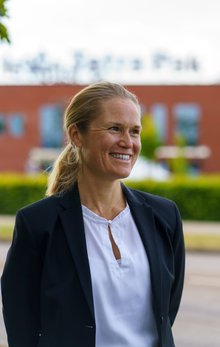
Nicole Uvenbeck
Director of Factory Sustainable Solutions and OEM Components