Volkswagen: Manufacturing Shaped by Effective Procurement
Volkswagen Group operates at a scale few can match. From battery minerals to semiconductors, it sources components through a sprawling global network, supporting production across more than 100 sites worldwide.
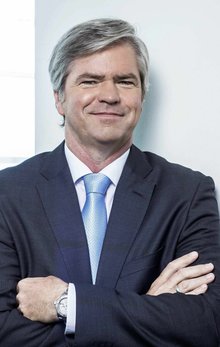
Under the leadership of Dirk Große-Loheide, Board Member for Procurement, the procurement function now centres on electrification, carbon reduction and transparent sourcing as standard.
The company sells millions of vehicles every year across Europe, China and the Americas, through brands including Volkswagen Passenger Cars, Audi, Porsche, Škoda, SEAT/CUPRA and others. Its focus on electric mobility, autonomous fleets and battery production in Germany now shapes procurement decisions across the value chain.
Procurement defines sustainability criteria
Volkswagen places sustainability at the core of supplier selection. Awarding contracts is now directly tied to a supplier’s ability to meet environmental and human rights standards, particularly for high-risk materials.
This shift is formalised through its Raw Material Due Diligence Management System, which monitors 18 materials considered high risk, including lithium, nickel and cobalt. These are essential to battery production and require strict transparency from suppliers.
For battery suppliers especially, heightened disclosure is no longer optional. Volkswagen applies risk-based measures to identify, mitigate or eliminate potential issues in environmental or labour practices, pushing sustainability from corporate policy to commercial lever. The approach means suppliers who cannot demonstrate verified practices and responsible sourcing are unlikely to secure business.
Its Responsible Raw Materials Policy sets expectations aligned with international frameworks on upstream due diligence, backed by real action on the ground. For example, Volkswagen supports battery recycling at Salzgitter, a German site being positioned to recover critical materials and reduce reliance on virgin inputs, creating the foundation for circular supply streams while also cutting the embedded carbon of the group’s operations.
Volkswagen also tasks procurement teams with tracking and lowering supplier emissions, especially in energy-intensive materials like steel and aluminium. Transparency on emissions data is mandatory, and suppliers are expected to switch to renewable energy and lower-carbon manufacturing processes where possible. These efforts align with the group’s wider net-zero trajectory and climate commitments.
Data-driven manufacturing builds resilience
The procurement function benefits from a digitised production footprint.
Through an expanded partnership with Amazon Web Services, Volkswagen connects dozens of plants via a unified factory cloud. The platform standardises production data, improving visibility into quality and throughput across facilities, while allowing closer collaboration with suppliers.
More reliable factory data means procurement can forecast demand with greater accuracy. Tighter integration with supply partners becomes possible, enabling just-in-time delivery models without risking overstock. The result is a more resilient and responsive supply chain that minimises waste and maximises efficiency.
Volkswagen’s procurement teams also manage exposure to volatile regions and technologies. Semiconductor shortages, for example, have forced procurement strategies to evolve. Sourcing is now rebalanced to spread risk geographically and across suppliers, with measures in place to secure critical inputs without fuelling price wars that destroy long-term value.
The role of procurement here is clear: keep costs under control while ensuring supply continuity. As electrification scales up and regional policy landscapes shift, the ability to manage these pressures defines procurement success.

Leadership drives alignment and integration
Dirk Große-Loheide took charge of procurement across the Volkswagen Group in early 2023.
A Volkswagen stalwart, Dirk started out in machine procurement in Wolfsburg and later took on senior roles at SEAT, Volkswagen Commercial Vehicles and Volkswagen de México. His remit now includes group-wide purchasing, joining the Extended Executive Committee as procurement reorganises to align horizontally across brands.
Dirk is tasked with embedding sustainability into procurement frameworks, strengthening transparency in critical supply chains like batteries and delivering tighter control over cost and risk.
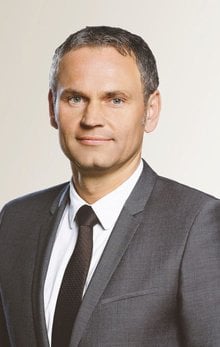
Following his appointment, Volkswagen CEO Oliver Blume said: "In Dirk Große-Loheide, we have won another procurement expert with international experience for this strategic key function in the brand and in the group."
The message to suppliers under Dirk’s leadership is direct: demonstrating sustainability performance is no longer optional. Suppliers must prove low-carbon production methods, run credible due diligence processes and show traceability across their operations.
Those who meet these requirements gain priority access, particularly if they also contribute to productivity gains in Volkswagen’s connected factories.
Suppliers able to support Volkswagen’s risk management, provide digital integration and deliver sustainable materials will find themselves well-placed for long-term partnerships. The group sets a clear procurement blueprint for the wider automotive sector: make ESG factors a mandatory part of supplier selection, invest in data integration and apply buying power to remove risk and carbon from the supply chain.