
Impact of Europe's Starline High-speed Rail on Manufacturing
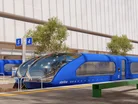
A new high-speed rail network is set to revolutionise transport across Europe, streamlining cross-border travel and significantly reducing journey times.
More than just a boost for passengers, the project has the potential to reshape freight and supply chains throughout the continent. Known as Starline, the initiative is designed to incorporate freight transport, enabling goods to move with the same speed and efficiency as travellers.
If brought to life, this vision could cut dependence on road haulage and short-haul flights while reinforcing economic connections across Europe.

Rail freight is four times more energy-efficient than road transport, yet only 18% of goods in Europe currently move by rail. For manufacturers reliant on fast, reliable deliveries, this inefficiency creates costly delays.
The existing rail system is fragmented, plagued by inconsistent infrastructure, border hold-ups and a lack of high-speed freight options. These challenges make it difficult for factories to receive essential materials on time, disrupting production schedules.
Starline offers a solution by integrating dedicated freight capacity into high-speed rail routes. This would allow critical manufacturing components, medical supplies and perishable goods to travel at speeds of 300–400 km/h, dramatically improving supply chain efficiency.
By embedding freight corridors within the network, Starline could revolutionise industrial logistics. Currently, supply chains are hindered by road congestion, customs delays and outdated rail systems. A high-speed freight network would ensure quicker, more predictable deliveries, lowering costs and enhancing the reliability of just-in-time manufacturing.
Beyond industry benefits, this shift would also ease pressure on roads and airports, cutting carbon emissions and supporting Europe’s climate goals.
"Starline is built for more than just passengers," the think tank explains. "With dedicated cargo capacity, it ensures that time-sensitive goods move as efficiently as people, reducing the need for short-haul freight flights and overburdened road networks."
Breaking down barriers in manufacturing logistics
One of the biggest obstacles in European freight is the lack of a seamless cross-border transport system.
Despite the Schengen Agreement removing passport controls, rail networks remain fragmented. Each country operates its own system with different technical standards and regulations, creating inefficiencies that slow down supply chains and increase costs for manufacturers.
Starline aims to change this by developing a high-speed rail network that functions like a metro system, allowing both cargo and passengers to move freely across Europe without logistical bottlenecks.
The plan includes real-time freight tracking, giving manufacturers precise data on the movement of critical components - something commonplace in air freight but still missing in rail. Automated scheduling and dynamic routing would enable trains to adjust to demand, avoiding delays and ensuring smoother operations.
By enhancing connectivity between factories, suppliers and distribution centres, Starline could strengthen Europe’s manufacturing sector. Production lines would receive materials faster, retailers could restock more efficiently and businesses would have greater access to new markets without depending on road transport.
"A Europe that moves better is a Europe that trades better," the proposal states. "With Starline, stations become more than places of transit—they become gateways for commerce, creativity and connection."
Building a high-speed supply chain for manufacturing
A key element of the plan is the transformation of train stations into integrated logistics hubs.
Rather than serving only passengers, these hubs would also handle freight, enabling seamless transfers between rail, road and air transport. This would eliminate inefficiencies caused by scattered distribution centres and fragmented transport networks, ensuring manufacturers receive materials faster and more reliably.
With high-speed rail providing an alternative to short-haul cargo flights, businesses could reduce logistics costs while improving supply chain sustainability. The European Environment Agency estimates that transport accounts for nearly 30% of the EU’s total greenhouse gas emissions, with aviation being the fastest-growing contributor.
By shifting freight from air and road to high-speed rail, manufacturers could significantly cut emissions while enhancing efficiency, supporting the EU’s ambition to reach net-zero by 2050.
"A bold shift to high-speed rail might be Europe’s best chance to meet its 2050 net-zero goals while ensuring mobility remains both fast and green," the think tank argues.
The railroad ahead
Despite its advantages, Starline’s vision faces significant challenges. The cost of infrastructure development will be high, and coordinating national rail networks under a single system will be complex.
The proposal suggests a publicly funded franchise model, where national rail operators manage routes within a unified system overseen by a European Rail Authority. This body would set common technical standards, labour agreements and safety regulations to ensure smooth, consistent operations across borders.
While the EU’s Trans-European Transport Network (TEN-T) already aims to improve connectivity, Starline’s backers argue that existing plans lack the ambition needed to modernise freight transport. "TEN-T lacks speed and ambition," claims the project’s think tank, stressing that a high-speed rail network must be a defining pillar of European industry.
If successful, Starline could revolutionise manufacturing logistics. Freight would no longer be slowed by outdated rail links, road congestion or airport delays.
Instead, essential materials and components would move seamlessly across Europe, enabling factories to operate more efficiently, reducing costs and supporting sustainable economic growth.
Explore the latest edition of Manufacturing Digital and be part of the conversation at our global conference series, Manufacturing LIVE.
Discover all our upcoming events and secure your tickets today.
Manufacturing Digital is a BizClik brand.