
TSMC Commits to Emissions Reduction Through SBTi Pathway
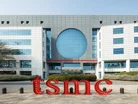
Semiconductor manufacturing is one of the most energy-intensive processes in manufacturing, with major fabrication plants consuming as much electricity as small cities.
As global demand for advanced chips rises due to AI development and digital transformation, the industry faces increasing pressure to tackle its environmental impact. This challenge is especially significant for foundries like TSMC, which produces around 60% of the world’s contract-manufactured chips.
TSMC marked Earth Day (22nd April) by announcing its formal commitment to the Science Based Targets Initiative (SBTi), unveiling a detailed roadmap for carbon reduction across its operations and supply chain.

The Taiwanese semiconductor giant, which produces chips for numerous technology companies worldwide, has set clear emissions targets and launched programmes to meet them.
The announcement comes at a time when technology firms face growing pressure to address their environmental impact, especially in energy-intensive sectors like semiconductor manufacturing.
Inside TSMC's carbon reduction pathway
The company says it has developed a structured approach to emissions reduction, with several milestone targets. These include peaking carbon emissions in 2025, returning to 2020 emission levels by 2030, achieving 60% renewable energy for global operations by 2030, reaching 100% renewable energy by 2040 and becoming net-zero by 2050.
TSMC will track its progress against a 2025 baseline, with commitments to absolute reductions across Scope 1, 2 and 3 emissions in line with the SBTi Corporate Net-Zero Standard.
- Scope 1 emissions: Direct greenhouse gas emissions from sources owned or controlled by a company, such as manufacturing processes, on-site fuel combustion and company vehicles.
- Scope 2 emissions: Indirect emissions from purchased electricity, steam, heating and cooling consumed by the company but generated elsewhere.
- Scope 3 emissions: All other indirect emissions that occur in a company's value chain, including both upstream activities (suppliers, raw materials) and downstream activities (distribution, product use, disposal).
“Corporate engagement is one of the key drivers of change in the global pursuit of environmental commitments and low-carbon transformation,” states Dr. C.C. Wei, TSMC Chairman and CEO and ESG Steering Committee Chairman.
“TSMC works closely with our supply chain partners and stakeholders to advance green initiatives and develop innovative energy-saving and carbon reduction technologies to achieve net-zero emissions. We are committed to setting ambitious goals and taking action to strive for a sustainable future.”
The company has already made progress in several areas. For Scope 1 emissions, which cover direct greenhouse gas outputs, TSMC has installed local scrubbers and started using carbon-neutral natural gas.
By April 2025, the firm had earned 53 LEED Gold or higher certifications, making it the leader in the semiconductor industry by certified building area. Its non-Taiwan operations have been net-zero for Scope 1 and 2 emissions since 2022.
The role of supply chain partnerships
TSMC’s renewable energy adoption has accelerated through supply chain partnerships and infrastructure investments.
For Scope 2 emissions, which relate to purchased electricity and energy, TSMC became the first semiconductor company to join the RE100 initiative, committing to 100% renewable energy. In 2023, it brought forward its RE100 target from 2050 to 2040. By 2024, its renewable energy usage surpassed 14%, with 100% renewable energy already achieved for global offices and overseas sites.
The company has taken an innovative approach to Scope 3 emissions, which cover its value chain. This includes creating a 20-year joint procurement agreement for 20,000 GWh of renewable energy, offering stable pricing for suppliers and subsidiaries while reducing barriers to adoption.
In 2024, TSMC launched a carbon reduction subsidy for Tier-1 raw material suppliers in Taiwan to upgrade equipment, with a projected reduction of 450,000 metric tonnes of carbon emissions.
TSMC has also introduced the Greenhouse Gas Reduction, Emissions Elimination & Neutrality (GREEN) Agreement, which suppliers will begin signing in 2025.
More than 50 suppliers, representing around 90% of TSMC’s supply chain emissions, have already committed. The agreement requires suppliers to reach 85% renewable energy for production in Taiwan and 100% for overseas production by 2030, alongside adopting Science-Based Targets by 2035.
The company also research from the Industrial Technology Research Institute, which suggests that each kilowatt-hour of electricity used in TSMC's production of high-performance computing chips saves 6.8 kilowatt-hours globally through improved energy efficiency in technology applications.
TSMC’s environmental programmes are guided by its established ESG and Environmental Protection policies. The company conducts annual reviews of its targets and progress, using these insights to adjust its carbon reduction pathway.
“TSMC dynamically adjusts or sets more aggressive carbon reduction paths by annually reviewing target achievement, proactively addressing climate change challenges,” says Dr. Wei.
Explore the latest edition of Manufacturing Digital and be part of the conversation at our global conference series, Manufacturing LIVE.
Sign up to our weekly newsletter here.
Discover all our upcoming events and secure your tickets today.
Manufacturing Digital is a BizClik brand.