World Environment Day 2025: C-Level Focus on Plastic Waste
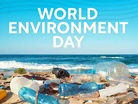
World Environment Day 2025 arrives with renewed urgency and hope, as governments, industries and individuals unite under a single banner – to end plastic pollution.
The influx of millions of tonnes of plastic waste into the oceans exposes a pressing need for action. This year's theme, Beat Plastic Pollution, highlights the pervasive impact on ecosystems, food chains and human health through the rising presence of microplastics.

Korea's role in a binding UN treaty
With the global community focused on establishing a UN treaty to curb plastic pollution, all eyes turn to the Republic of Korea, this year’s host for World Environment Day.
Known for its advanced waste management strategies and circular economy model, Korea provides a compelling backdrop to the ongoing global efforts.
With the UN Environment Assembly's adoption of Resolution 5/14 in 2022, the initiative towards a legally binding framework addressing the full lifecycle of plastic production, use, and disposal picks up pace.
As Inger Andersen, Executive Director of the UN Environment Programme, states: “The world’s commitment to ending plastic pollution is clear and undeniable."
"In Busan, talks moved us closer to agreeing on a global legally binding treaty that will protect our health, our environment and our future from the onslaught of plastic pollution.”
Impact on manufacturing operations
For industrial leaders, this represents a disruptive yet essential call for transformation in operations. Annually, approximately 11m tonnes of plastic waste infiltrates aquatic systems, incurring economic costs from US$300bn to US$600bn. The treaty is poised to catalyse systemic alterations in plastic production and waste management.
"The UK may be moving away from fossil fuels, but plastic pollution persists," comments Kelly Becker, President, UK & Ireland, at Schneider Electric.
She stresses: "While decarbonising our energy systems is vital to reducing emissions, we must also address the materials we use every day. Plastic is a primary concern and could be responsible for as much as 19% of global greenhouse emissions by 2040."
Corporate strategies and innovations
Manufacturing leaders focusing on the plastics lifecycle recognise the need for circular economy practices. Companies are answering the call with significant initiatives, such as Coca-Cola’s campaign in India, promoting recycled plastic as useful products, and Nestlé Maggi’s innovative edible cutlery aiming to reduce single-use plastics.
Also making strides, KFC India advances in sustainable packaging, Zomato shifts towards electric vehicle deliveries, and Lee Cooper pioneers jeans made from recycled materials. Each case represents a practical integration of sustainability goals within business operations, stressing the viability and necessity of adapting to a circular model.
Sarah Perreard, Co-CEO at Earth Action, articulates this shift, saying: “An ambitious UN Global Plastics Treaty is both a foundation for change in tackling the plastic crisis and a vehicle to streamline global corporate action. But with or without a Treaty, corporations will be unable to erase their plastic footprint and avoid regulation.
"Inaction is no longer an option. Businesses that act now will be better positioned to thrive in the future where plastic management, transparency, and accountability are the norm."
As industry leaders continue to adapt their operational strategies to embrace future sustainability, recognising and establishing robust frameworks for plastic reduction will become increasingly critical. The advancements made in Korea and the path towards a UN treaty may well inform and inspire manufacturing sectors worldwide to take similar bold steps towards innovation and responsibility in their use of materials.
Explore the latest edition of Manufacturing Digital and be part of the conversation at our global conference series, Manufacturing LIVE.
Discover all our upcoming events and secure your tickets today.
Manufacturing Digital is a BizClik brand.