UK Gov Ends SMR Restrictions to Manufacture More Nuclear
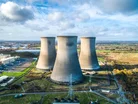
Small modular reactors (SMRs) are gaining traction, marking the beginning of a new era for nuclear power manufacturing in the UK.
SMRs offer a versatile and efficient solution for generating clean energy.
These advanced nuclear fission reactors, typically producing up to 300MWe per unit, are designed to be compact, more efficient and safer than conventional large-scale nuclear plants.
According to the International Energy Agency (IEA), as projects, policies and investments in nuclear energy continue to grow, so too does the appeal of SMRs.

The IEA's The Path to a New Era for Nuclear Energy report describes SMRs as a "gamechanger" for nuclear energy, outlining the key challenges hindering current progress and how they can be overcome to bring about a new era of nuclear power.
In response, the UK government is streamlining planning regulations to expedite the approval process for new nuclear power projects.
UK government champions nuclear power
Under Prime Minister Sir Keir Starmer, the UK government is reforming planning rules to make it easier to approve and construct more nuclear power plants across England and Wales.
These reforms will pave the way for Small Modular Reactors (SMRs) to be built in the UK for the first time.
The government is lifting the restriction that previously limited nuclear development to just eight sites, opening up a wider range of potential locations for new facilities.
As part of this initiative, a Nuclear Regulatory Taskforce is being established to enhance regulations and support more companies in building nuclear facilities across the UK.
“As a major operator, investor and developer, EDF welcomes the proposals designed to speed up new nuclear projects in the UK and unlock economic growth," says Simone Rossi, CEO of EDF in the UK.
“Nuclear is essential to a secure, low carbon energy system and is the ideal partner to renewables.
“There is a great opportunity to build new infrastructure across England and Wales, to replace aging stations and take advantage of available skills, existing grid connections and supportive communities.
“The opportunity will only be fully realised with the necessary reforms to planning and regulation, alongside continuing to build on the critical work at Hinkley Point C and Sizewell C to further develop skills and supply chains.”
Microsoft UK’s CEO Darren Hardman agrees, adding: “We welcome the government’s plans to accelerate the building of safe, modern nuclear as part of the energy mix.
“Economic growth will require increased energy supply for the UK, but we must not lose sight of our ambitions for a fully decarbonised grid.”
Reasons behind this decision
The government is looking to simplify the approval process for new reactor designs and align UK regulations more closely with those of international partners.
The planning framework is being updated to incorporate new nuclear technologies such as SMRs, offering the flexibility to co-locate them with energy-intensive industrial sites.
“This country hasn’t built a nuclear power station in decades," says UK Prime Minister Sir Keir Starmer.
"We've been let down and left behind.
“Our energy security has been held hostage to Putin for too long, with British prices skyrocketing at his whims.
“I’m putting an end to it — changing the rules to back the builders of this nation and saying no to the blockers who have strangled our chances of cheaper energy, growth and jobs for far too long.
“My government was elected to deliver change. I’ll take the radical decisions needed to wrestle Britain from its status quo slumber, to turbocharge our plan for change.”
As emphasised by the Prime Minister, the reforms aim to boost energy security, create jobs and facilitate the transition to cleaner energy sources, alongside encouraging investment in the nuclear sector and accelerating timelines for nuclear projects.
However, the benefits extend beyond just the energy sector.
Small and advanced modular reactors will offer the flexibility to be co-located with energy-intensive industrial sites, such as AI data centres.
The manufacturing and healthcare sectors are also poised to gain from these developments.
Energy Secretary Ed Miliband adds: “Build, build, build — that is what Britain’s clean energy mission is all about.
“The British people have been left vulnerable to global energy markets for too long — and the only way out is to build our way to a new era of clean electricity.
“Nuclear power creates thousands of skilled jobs. That is what this government will deliver.”
Attitudes to UK nuclear reform
The UK government’s move has been met with overwhelming support, especially from energy and industry leaders.
“Nuclear energy is a powerful tool for growing the UK’s economy," says Simon Bowen, Chair of Great British Nuclear.
“By expanding the range of sites where safe, secure, reliable and clean nuclear energy plants can be built, there is huge potential to positively transform areas facing economic uncertainty.
“Today’s announcement also signals exciting opportunities to co-locate nuclear energy generation on data centre sites and to decarbonise industrial processes.
“Nuclear is one of the safest and cleanest forms of energy generation. The new independent nuclear regulation taskforce will help unlock growth and investment by providing clarity and certainty while ensuring regulations are fit for purpose.”
Tom Greatrex, CEO of the Nuclear Industry Association also supports the move, commenting that : “This is the Prime Minister’s strongest signal yet that new nuclear is critical to the growth and clean power mission.
“A more streamlined planning system will give certainty to investors, the supply chain and communities and will enable us to get on with building new nuclear plants on more sites and at pace for a cleaner, more secure power system.
“We need to make Britain the best possible place to build new nuclear, both large-scale and SMRs, which means avoiding unnecessary stumbling blocks and ensuring regulations are proportionate to our urgent need for low carbon power, energy security and good jobs.”
Another supporter is Cathal O’Rourke, Group CEO of Laing O’Rourke, who added: “This announcement is a significant step forward for the UK’s nuclear industry.
“The clarity provided by these new planning rules, the focus on streamlining the regulatory process and the emphasis on standardising reactor designs is precisely the sort of clear, unequivocal direction the industry needs.
“Having played a central role in delivering nuclear capacity at Hinkley Point C, we understand the complexities of these projects first-hand and these new measures, particularly around regulatory reform and streamlined planning, will be invaluable in ensuring future projects, like Sizewell C, can be delivered more efficiently and cost-effectively.
“This clear signal from government will unlock investment, create jobs nationwide for shared prosperity, including an ability to plan for long-term investment in apprenticeships and ensure the UK can benefit from clean, locally supplied nuclear power for generations to come.”
Explore the latest edition of Manufacturing Digital and be part of the conversation at our global conference series, Manufacturing LIVE.
Sign up to our weekly newsletter here.
Discover all our upcoming events and secure your tickets today.
Manufacturing Digital is a BizClik brand.