
Combatting the Crisis of the Cobalt Rush in DR Congo
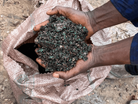
As global demand for EVs and clean energy accelerates, demand for cobalt—a vital component of lithium-ion batteries—has soared to unparalleled heights.
This demand is creating situations of crisis, including in the Democratic Republic of Congo (DRC), which supplies over 70% of the world’s cobalt.
The race to secure this valuable resource for manufacturing has fuelled conflict, widespread human rights abuses and the displacement of entire communities, leaving destruction and suffering in its path.
The impact of the cobalt boom
The DRC’s vast cobalt reserves represent both a lucrative economic opportunity and a devastating humanitarian crisis.
Multinational corporations have raced to secure access to these critical resources, often at the expense of local communities, who have been forcibly removed from their homes and farmland.
Amnesty International has documented severe human rights violations linked to these evictions, including sexual violence, brutal assaults and deliberate arson.
Described as the "gold rush of the 21st century," the cobalt boom has brought immense hardship to the Congolese people.
As of October 2023, an estimated 6.9 million individuals have been displaced within the DRC due to ongoing violence and rebel activity, some of which is directly tied to the cobalt trade.
Conflict and instability in mining regions
The connection between cobalt mining and regional violence is indisputable. Research has shown that profits from cobalt extraction help to fund ongoing armed conflicts in the DRC.
Neighbouring nations, including Rwanda, have been accused of backing rebel groups such as M23 in a bid to seize control of key mining areas.
The situation worsened in early 2025, culminating in the capture of Goma—a crucial regional centre in eastern DRC—by M23 rebels on 4 February.
The assault resulted in between 900 and 2,000 deaths, further deepening the humanitarian crisis.
Human rights abuses and child labour
The cobalt industry is infamous for its hazardous and exploitative working conditions.
Artisanal miners, many of them children, toil without essential safety equipment, exposing themselves to life-threatening accidents and severe long-term health risks.
Child labour remains a pressing issue. Many children are forced to work to support their families, sacrificing their education and jeopardising their wellbeing.
International organisations continue to demand urgent action to end these abuses and safeguard vulnerable workers.

Environmental and health consequences
Cobalt mining has devastating environmental impacts. Toxic chemicals used in the extraction process pollute soil and water supplies, posing serious health risks to local communities.
The resulting environmental degradation threatens agriculture and access to clean water, further destabilising the region.
Rising awareness of these issues has put increasing pressure on technology and automotive companies to reduce their reliance on cobalt, with some developing cobalt-free battery technologies or seeking ways to minimise cobalt content.
For example, Aliant Battery has introduced a range of rechargeable lithium batteries using LFP (lithium iron phosphate) technology, which eliminates the need for cobalt.
However, phasing out cobalt remains a significant challenge. The metal plays a crucial role in battery stability and lifespan, making it difficult to replace without compromising performance.
Corporate responsibility: The CSDDD & cobalt mining
The Corporate Sustainability Due Diligence Directive (CSDDD) is a recent regulatory initiative that could transform cobalt mining practices. By emphasising corporate accountability in supply chains, the directive is set to have a major impact on companies sourcing cobalt from the DRC.
- Human Rights Due Diligence: The CSDDD requires companies to identify, prevent and mitigate any adverse human rights impacts within their operations. It is particularly relevant to cobalt mining, where human rights violations are prevalent.
- Supply chain transparency: Companies must demonstrate that their cobalt supply chains meet strict human rights and environmental standards. The CSDDD expects this requirement to drive more ethical sourcing practices in the DRC.
- Addressing child labour: The directive explicitly calls for action against child labour. The focus could help reduce the exploitation of children in artisanal and small-scale mining (ASM) operations.
- Formalising Artisanal Mining: The CSDDD indirectly encourages the formalisation of ASM, which accounts for more than 10% of the world's cobalt supply. Formalising the operations could improve working conditions and reduce abuses.
- Increased accountability and tackling root causes: Under the CSDDD, companies face greater scrutiny to address the root causes of cobalt mining abuses, such as unsafe working conditions and inadequate job opportunities for youth.
Economic and social fallout of forced evictions
Forced evictions at mining sites have severe economic and social consequences.
Entire communities are stripped of their homes, farmland, and access to vital services such as schools and hospitals.
Many displaced families are pushed into poverty, struggling to secure new sources of income.
The lack of adequate compensation worsens the financial hardship. Generational wealth is lost and social networks fractured, making recovery an immense challenge.
The impact of multinational corporations
Multinational corporations play a key role in economic displacement.
Their operations often prioritise corporate profits over community welfare, diverting vital resources such as land and water away from local use.
While MNCs may create new jobs, these roles often do not match the traditional skills of local residents, leaving many without viable employment opportunities.
Agnès Callamard, Amnesty International's Secretary General, stresses the urgency of halting forced evictions: "The forced evictions taking place as companies seek to expand industrial-scale copper and cobalt mining projects are wrecking lives and must stop now."
Addressing the crisis in the DRC requires a multifaceted approach. Strengthening governance, implementing stricter regulations, and holding corporations accountable for their supply chains are essential.

While conflict minerals legislation has attempted to address these issues, challenges remain.
The cobalt mining industry in the DRC represents a stark contradiction, fuelling the global transition to clean energy while simultaneously perpetuating violence, displacement and human rights abuses.
As the world's reliance on lithium-ion batteries grows, the humanitarian and environmental toll in the DRC cannot be ignored.
Corporate accountability is critical in ensuring that cobalt supply chains are ethical and conflict-free.
Regulatory measures like the CSDDD offer a promising step towards greater transparency and better working conditions.
However, enforcement and compliance remain key challenges.
To address the crisis, multinational corporations, governments and international organisations must work together to protect vulnerable communities, promote safe working conditions and minimise environmental damage.
By taking a more responsible and holistic approach to resource extraction, the global community can ensure that the drive for sustainability does not come at the expense of human dignity and social justice in the DRC.
Explore the latest edition of Manufacturing Digital and be part of the conversation at our global conference series, Manufacturing LIVE.
Sign up to our weekly newsletter here.
Discover all our upcoming events and secure your tickets today.
Manufacturing Digital is a BizClik brand.