
GEP: Manufacturers Stockpiling to Prepare for Disruptions
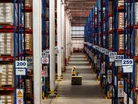
GEP's Global Supply Chain Volatility Index has found that companies are looking at stockpiling in order to avoid supply chain risks.
This comes as manufacturers have faced significant supply strains since the COVID-19 pandemic in 2020, prolonged by geopolitical conflicts, trade disputes and extreme weather.
The research shows that procurement teams continue to face high pressure levels, manufacturers reported increased backlogs and shortages of critical inputs reached their highest levels since late 2022.
GEP noted a heightened risk of supply-chain bottlenecks entering Q3, as materials shortages could prevent businesses from fulfilling customer demand in coming months.

Buffer inventories rise
Procurement leaders have increased order volumes beyond immediate requirements, GEP found. This strategy aims to account for potential shortages in future periods.
Businesses still don't trust the global trading environment to remain stable.
Manufacturers built buffer inventories throughout June and safety stockpiling reached its highest level since January 2023.
Raw materials and critical minerals demand is rising. The increase stems partly from semiconductor and smartphone production, alongside energy transition requirements.
Demand for intermediate goods, commodities and raw materials remains strong across North America and Asia. The US faced a copper surplus in March following aggressive purchasing in response to potential tariff threats.
"The rise in stockpiling and persistent order backlogs point to one clear conclusion: businesses still don't trust the global trading environment to remain stable," says John Piatek, Vice President of Consulting at GEP.
"Despite lower oil prices and easing transportation costs, companies continue buying ahead because they expect further disruption. While this is encouraging for the global economy in the near term, it also shows manufacturers remain very cautious and are planning for more disruption in international trade."
Sourcing around the world
Input demand weakened in Europe, while North America and Asia maintained continuous demand levels.
GEP found that purchasing of raw materials, commodities and intermediate goods remained strong throughout June.
- Asia: the index fell to its lowest level since March, to 1.95. GEP points to easing transport cost inflation as a key factor
- North America: another three-month low, falling from 1.69 to 1.17. This was caused by the sharp rise in purchasing activity to respond to rising backlogs and item shortages
- Europe: the index fell to 1.13, from 1.43. Despite strong inventory growth, the region has seen a reduction in buying volumes across factories
- UK: UK manufacturers have been downsizing and undertaking budget cuts, resulting in an index drop to 1.05
Input buying rose at its fastest rate since April 2022, with acceleration in purchasing growth across Japan, China and Vietnam.
The pattern of stockpiling appeared worldwide, showing a widespread strategy to protect against future price increases.
Supply issues remained at historic highs, though the number of items in short supply decreased in June.
Backlogs have risen sharply due to ongoing demand combined with supply-chain constraints.
Labour shortages have also affected supply-chain capacity, so manufacturers may face difficulties meeting demand due to workforce limitations.
Company portals

Executives

John Piatek
Vice President, Consumer Goods and Retail