GM, Honeywell & BMW: Top Manufacturing News This Week
29 June
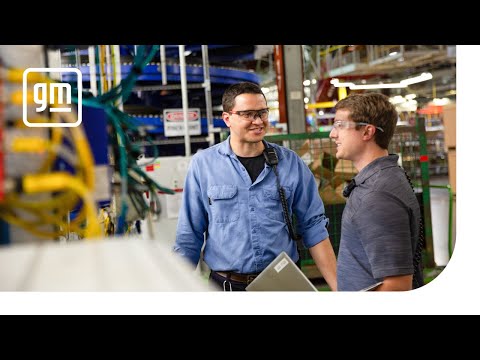
General Motors (GM) is set to make a US$275m investment into its Spring Hill manufacturing complex in Tennessee, across both vehicle and propulsion operations.
In 2026, GM is spending roughly US$9bn across its US manufacturing operations as well as US$7bn on research and development.
The investment announcement comes not long after GM announced it was integrating various AI technologies across its production line, including automated systems in the paint shop in Spring Hill.
1 July
Toyota and California-based electric vertical take-off and landing (eVTOL) aircraft developer Joby Aviation have launched a joint venture called Joby Toyota Aero Manufacturing Preparation Company.
The venture marks the initial phase of the companies manufacturing alliance to support production of Joby’s eVTOLs and looks to establish the groundwork for commercial production.
eVTOLs are sometimes referred to as ‘flying cars’. Earlier this year, Joby’s took to New York’s skies in the first point-to-point eVTOL demonstration flights in the city.
30 June
After completing its Aerospace spin-off, Honeywell Technologies says it is now a pure-play automation company.
Its aim is to support the industrial sector's transition "from automation to autonomy", the company says.
“Today is a defining moment in Honeywell’s legacy,” says Vimal Kapur, Chairman and CEO of Honeywell Technologies.
2 July
German carmaker BMW has demonstrated the Figure 03 humanoid robot, developed by technology company Figure AI, at its Spartanburg manufacturing site in South Carolina, US.
BMW employs more than 11,000 people at its 10-million-square-foot production facility, where it assembles the BMW X3, X5, X6, X7 and XM Sports Activity Vehicles and Coupes.
As humanoid robots rapidly advance from a concept to reality, projections for the humanoid robotics market by 2030 range from under one million annual units to more than six million, according to data from the Boston Consulting Group.
30 June
Beijing based tech company Galbot has deployed its S1 robot on CATL’s production lines for module and battery pack manufacturing.
CATL says “it will directly replace human workers" in high-intensity processes.
The robot itself is powered by battery manufacturer CATL’s batteries.
Company portals








Executives
Vimal Kapur
Chairman and Chief Executive Officer