
How Mercedes is Reshaping Manufacturing After 57% Profit Dip
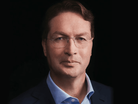
The global manufacturing landscape for luxury automotive production has faced a period of extreme volatility, as evidenced by the full-year results from Mercedes-Benz Group.
The German automaker reported an operating profit of US$6.9bn for 2025, a 57% decline from the previous year. It comes as the group navigates a complex manufacturing push, involving the launch of over 40 new models over a three-year period.
To counteract the impact of rising production costs and intense international competition, the group has implemented its "Next Level Performance" programme.
It is designed to reshape the production footprint, ensuring that high-end manufacturing remains a viable driver of profitability despite a challenging economic backdrop in major markets like China.
Efficiency measures mitigate lower car volumes
Despite a 9% decrease in total unit sales, the company managed to extract significant value from its manufacturing efficiencies. Efficiency measures related to production and material costs contributed US$4.2bn to the group’s Earnings Before Interest and Taxes (EBIT) in 2025.
Ola Källenius, Chairman and CEO of Mercedes-Benz Group AG, said: “The Mercedes-Benz Team did an outstanding job in 2025 as we successfully kicked off our biggest-ever product and tech launch programme. We debuted class-leading innovations such as the MB.OS.”
The manufacturing focus is now shifting toward the "Next Level" strategy, which aims to reduce fixed costs by 10% between 2024 and 2027 while simultaneously lowering production costs per unit by 10%.
All sustainability, net zero and sustainable supply chain leaders should attend:
- Sustainability LIVE: The Net Zero Summit - QEII Centre, London, March 4-5
- Sustainability LIVE: The US Summit - Navy Pier, Chicago, April 21-22
Co-located with Procurement & Supply Chain LIVE, these events brings together CSOs, ESG leaders and senior decision-makers at a moment when sustainability, supply chains and commercial performance are increasingly interconnected.
Tickets can be booked online today for The Net Zero Summit and The US Summit. Group discounts available.

Production costs targeted for radical reduction
The group's manufacturing strategy involves a heavy reliance on automation, artificial intelligence and digital twins to streamline assembly processes. This digital transformation is expected to yield substantial savings as the company ramps up production of its new electric architectures.
Targets and highlights include:
-
Fixed Cost Reduction: 10% target between 2024 and 2027
-
Unit Production Savings: 10% reduction per vehicle by 2027 compared to 2024 levels
-
Renewable Energy: Over 70% of energy needs from renewables by 2030
-
Product Offensive: More than 40 new models planned within three years.
By simulating new assembly processes through digital twins, the firm can identify bottlenecks and optimise throughput without the need for expensive physical stoppages, ensuring that the global manufacturing network remains flexible and resilient.
Flexibility across global manufacturing networks
A core pillar of the current manufacturing strategy is the ability to adjust output to market demand by utilising flexible production lines. Factories in locations such as Bremen and Hungary are being prepared to build all-electric models and their combustion counterparts on the same lines.
This flexing capability is vital for managing the transition to electric vehicles, allowing the firm to maintain high capacity utilisation regardless of which powertrain technology consumers choose.
Mercedes is also doubling its commitment to "local-for-local" manufacturing, with plans to increase sourcing from best-cost countries to 30% by 2027. This geographical shift is intended to shield the manufacturing process from the logistics delays and tariff costs that hindered the 2025 results.
Automation and humanoid robotics integration
As part of the drive for "Next Level" production, the firm is exploring the integration of humanoid robotics for complex logistics tasks. These advances, coupled with the MO360 digital ecosystem, are designed to trim production time while maintaining the high quality expected in the luxury segment.
Joerg Burzer, Member of the Board of Management for Production, Quality and Supply Chain Management, said: “The revamped plants have successfully set the course for the future production portfolio in the Core and Top-End segments.”
The focus remains on creating a production network that is nimble enough to keep up with software-defined vehicles, building a platform that supports the most ambitious model rollout in the company’s history.
Company portals

Executives
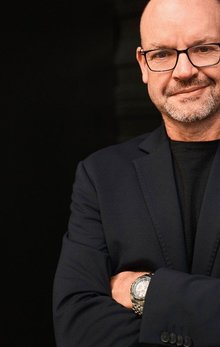
Joerg Burzer
Member of the Board of Management, Chief Technology Officer, Development & Procurement
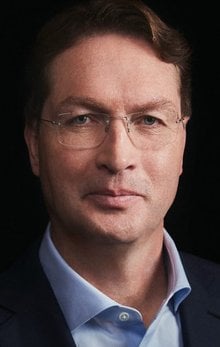
Ola Källenius
CEO