How Kraft Heinz is Embedding Sustainability in Manufacturing
Kraft Heinz, a global food and beverage company with a portfolio of household brands, is undertaking a major effort to embed sustainability within its operations.
The scale of this challenge is considerable, with Kraft Heinz estimating that approximately 80% of its carbon footprint originates from its suppliers. Agriculture and ingredients represent the largest portion of this figure.
To address this, Kraft Heinz has established a target to achieve net-zero emissions across all three scopes by 2050, alongside an interim goal of a 50% reduction by 2030. This ambition guides Kraft Heinz's strategy from its farms to its factories.
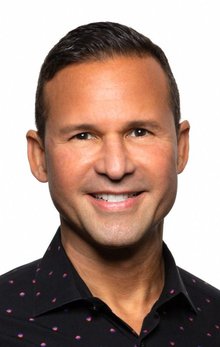
"To be the leader in elevating and creating food that makes you feel good," says Carlos Abrams-Rivera, CEO at Kraft Heinz.
However, translating this vision into tangible results requires coordinated action across its entire value chain.
Decarbonising manufacturing facilities
Across its 75 manufacturing sites, Kraft Heinz has made substantial progress in reducing its Scope 1 and 2 emissions.
This has been achieved through investments in various decarbonisation projects and the procurement of renewable electricity.
According to its 2024 ESG report, Kraft Heinz sources 22.3% of its electricity from renewable sources, which is an increase from 7% in 2021. This is supported by virtual power purchase agreements, including a 158 MW wind farm in Texas.
Meanwhile, two of Kraft Heinz's Indonesian factories have reduced emissions by more than 95% compared to 2021 levels. This was accomplished by substituting coal with sustainable biomass, installing solar energy systems and securing renewable electricity contracts.
Kraft Heinz also reported a 19.5% reduction in water use in high-risk watershed areas against a 2019 baseline, nearing its 20% reduction target through efficiency measures and recycling programmes.
The persistent packaging problem
Progress on other manufacturing goals has presented more complex challenges, particularly concerning packaging.
In 2023, Kraft Heinz announced a new commitment to reduce virgin plastic use by 20% by 2030, from a 2021 baseline. As of 2023, 87% of its packaging was recyclable, reusable or compostable.
To advance its packaging objectives, Kraft Heinz became a founding member of the Circular Action Alliance, a non-profit that promotes producer responsibility laws in California and Colorado.
The business has introduced several packaging innovations, including recyclable lids for its Heinz Ketchup bottles in the UK and the integration of 100% recycled content into its Kraft mayonnaise bottles in the US.

Engaging the supply chain on Scope 3
As with many large corporations, Scope 3 emissions constitute the majority of Kraft Heinz's carbon footprint, measuring 24.3 million tonnes of CO₂e in its latest accounts.
A large portion of this is connected to its agricultural supply chain. Kraft Heinz is the world’s largest corporate tomato buyer and has set a goal to source 100% of its Heinz ketchup tomatoes sustainably by the end of 2025, a target it reports being on track to meet.
Carlos describes the Kraft Heinz philosophy on this front as "equally focused on productivity, environmental stewardship and prosperity".
To encourage a culture of sustainability throughout its wider supply network, Kraft Heinz held its first supplier sustainability webinar in 2023. During this event, its team communicated its net-zero ambitions and provided partners with a starter kit for their own decarbonisation initiatives.
Kraft Heinz also maintains a focus on human rights across its network, using platforms like EcoVadis and Sedex to conduct regular due diligence. In a notable achievement, it sourced 100% of its palm oil from certified sustainable sources.
Crucially, Kraft Heinz acknowledges that substantial work remains, especially in validating its targets through the Science Based Targets initiative and enhancing Scope 3 data accuracy.