Siemens: Are Manufacturers Putting Energy Resilience First?
A new study from Siemens reveals that geopolitical instability is reshaping global energy and infrastructure strategies for businesses.
The Siemens Infrastructure Transition Monitor 2025, which surveyed 1,400 senior executives, highlights an accelerated move towards resilient and digitally-enabled energy systems.
For manufacturers this could mean a change in long-term planning where national energy security now takes precedence over global climate collaboration as the primary factor of the energy transition.
What began as a global push to decarbonise has evolved into a search for energy autonomy. Resilience is no longer seen as a trade-off but as a necessary component of achieving net zero progress.
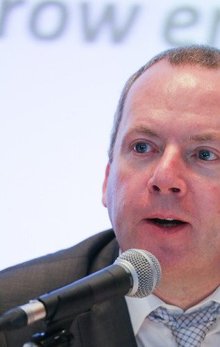
“The infrastructure transition is entering a new phase whereby national goals of energy security are overtaking global collaboration on decarbonisation,” explains Matthias Rebellius Managing Board Member of Siemens AG and CEO of Smart Infrastructure.
Matthias adds: “As systems face mounting climate and energy disruptions resilience is no longer optional – AI technology and digitalisation are now critical to this transition.”

Industrial decarbonisation and AI
Industrial organisations face some of the most substantial decarbonisation challenges.
The Siemens report notes that between 2023 and 2025 many have made progress in adopting renewable energy electrifying operations and setting science-based targets.
However cost pressures are growing, with more companies prioritising short-term revenue and expenditure when creating decarbonisation plans. Electrification is still widely viewed as the most practical path to net zero.
Digitalisation is ranked as the second most important factor for accelerating the clean energy transition, just behind energy storage.
According to the study, 66% of respondents believe AI is making critical infrastructure more resilient, while 59% are already using it to help decarbonise their operations.
Industrial respondents are calling for smarter integrated grids that can synchronise with their own assets.
Many are using AI and digital twins to optimise production, manage energy loads in real time and improve operational resilience.
Policy and investment uncertainty
As resilience and independence take higher priority, optimism around achieving global climate targets appears to be decreasing.
The ITM 2025 report found that 57% of global executives expect an increase in fossil fuel investment over the next two years.
Only 37% now believe they will achieve their 2030 decarbonisation targets - a drop from 44% in 2023. This change in confidence comes at a crucial time.
For the industrial sector, policy uncertainty remains a key obstacle.
Over half of industrial respondents stated that unclear energy policies delay their investment decisions in clean technologies.
The report suggests that stable regulation is essential to unlock the long-term capital commitments needed to accelerate the industrial transition. For Matthias, the opportunity is clear.
He says: “AI technology and digitalisation can empower organisations and governments to manage the complexities of renewable-based systems ensure reliability and accelerate the clean energy transition smarter and more sustainably.”
Smart buildings as strategic assets
Buildings are also acquiring new strategic importance within the infrastructure transition.
Through digital platforms AI and autonomous systems they can anticipate demand interact with the grid and optimise performance.
While progress in onsite renewables and electrified heating is advancing, energy efficiency and material reuse have seen slower progress due to high costs and limited financing.
Despite these hurdles, optimism is returning. Energy efficiency has become the top investment priority, with models like Energy-as-a-Service (EaaS) enabling upgrades without large initial capital.
“AI will reveal entirely new ways to think about energy management. But it doesn’t replace the need to get the basics right, like choosing efficient equipment, passive design measures, smart buildings and strong appliance standards,” says Brian Motherway, Head of Energy Efficiency and Inclusive Transitions at the International Energy Agency.
The integration of digital building technologies provides real-time performance data and predictive maintenance, turning information into actionable strategy for manufacturers.



Executives
Brian Motherway
Head of Office of Energy Efficiency and Inclusive Transitions
Daniela Haldy-Sellmann
SVP, General Manager Energy & Natural Resources Industries
Matthias Rebellius
Member of the Managing Board of Siemens AG and CEO Smart Infrastructure