Mars Invests $250m in Low-Carbon Food and Packaging Tech
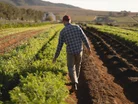
Mars is stepping up its climate strategy with a US$250m investment focused on tackling emissions from food production and packaging.
The company’s new Sustainability Investment Fund will back technologies that reduce the environmental impact of sourcing, processing and manufacturing ingredients and materials used in its global product lines.
The fund comes as part of the company’s Sustainable in a Generation Plan and is outlined in its accompanying Mars Sustainable in a Generation report.
The target areas — agriculture, ingredients and packaging — are where most of Mars’s carbon footprint sits. More than 70% of its total greenhouse gas emissions come from purchased goods and services, primarily from farming and material sourcing.
For Mars, that means combining commercial performance with emissions reduction, material innovation and new manufacturing models.

Manufacturing with lower emissions at scale
The bulk of emissions Mars aims to reduce are linked to how food is grown and how materials are handled through the supply chain.
Farming inputs such as fertiliser and animal feed contribute large amounts of CO2, but changes here can also influence how raw materials are processed and used in the factory.
To address this, Mars plans to invest in systems that can digitally track farm data, helping optimise how raw materials are grown and managed before they reach production. This includes backing remote sensing and satellite data to monitor land use and prevent deforestation — a critical factor in ingredient sourcing.
Mars is also focusing on diversifying where it sources its ingredients from, and choosing lower-emissions alternatives. That could mean selecting climate-resilient crops or shifting production to regions with a smaller environmental impact.
These changes not only affect the ingredients that end up in products but also how they're processed and handled in manufacturing.
“It is imperative that we continue to perform on our promises and in doing so prove that sustainability is good for business,” says Alastair Child, Chief Sustainability Officer at Mars.
Rethinking packaging from the production floor up
Mars is already manufacturing 60% of its customer-facing packaging in recyclable, reusable or compostable formats. That shift has involved phasing out specific plastics and increasing the use of paper and cardboard.
However, one of its biggest remaining challenges is flexible plastic – a packaging type used widely across its products.
Unlike rigid plastic, flexible plastic is harder to process through standard recycling systems. Developing alternatives that match its functional performance while also cutting emissions during production is a major goal for the fund. Mars is looking to support materials that can work across its product lines but with a lower carbon footprint.
At the same time, the company is investing in ingredients that can meet two requirements: perform well in products while being less resource-intensive to make. This includes plant-based proteins that reduce dependency on animal products and require less energy to produce and process.
Marc Carena, Regional President of Mars Wrigley Europe, says: “Sustainability at Mars is part of our strategy and an intentional focus in our execution. I’ve met many Associates who are deeply passionate about sustainability, and it is precisely this commitment to doing good while doing well that has helped us reduce emissions by 16.4% against a 2015 baseline. While growing the global Mars, Incorporated business 69% in the same period.”
Longer timelines but focused action
Mars has extended its target for making all packaging recyclable, reusable or compostable to 2030. The move reflects slow progress across the wider packaging industry, where scalable recycling systems are still catching up.
Still, the company says it won’t slow down progress.
“We’re firmly committed not just to targets in a distant future but to delivering progress now,” says Alastair. “In order to do this, societal impact goals have to be built into business decision making. To continue to deliver progress consistently, we need systemic change across our supply chains, with governments, industry and farmers all playing a role. We know we can’t do this alone and so we want to bring our partners and peers along, as only large-scale change will deliver on our collective goals.”