How Toyota Circular Factory Redefines End-of-Life Processing
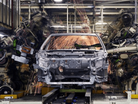
Toyota continues to advance the future of sustainable vehicle production, with its European division announcing the establishment of its Toyota Circular Factory (TCF)
Located at Toyota Motor Manufacturing UK (TMUK) in Burnaston, the new facility will redefine how vehicles are processed at the end of their life and create new sustainable strategies.
This initiative not only promises substantial environmental benefits but also sets a new industry benchmark for recycling, re-manufacturing and re-purposing vehicle components.
How the factory maximises material recovery
At the core of TCF approach is the systematic recovery of valuable materials from end-of-life vehicles.
The plant will focus on three key areas: re-usable parts, commodity items for re-manufacturing and recyclable materials.
Re-usable parts, such as engines, gearboxes and other components, will be carefully inspected, validated and then reintroduced into the market through authorised retailers or parts distributors.
By doing so, Toyota is reducing waste and ensuring that components that still have value continue to contribute to the automotive ecosystem.
Commodity items like batteries and wheels will be assessed for their potential to be re-manufactured or re-purposed, contributing to the circular economy.
In addition, raw materials such as copper, aluminium, steel and plastic will be extracted and recycled.
These materials are then re-used in the production of new vehicle parts, replacing the need for virgin materials and significantly reducing the environmental impact of manufacturing processes.
Reducing Toyota's environmental impact

With the goal of recycling 10,000 vehicles annually, TCF will breathe new life into around 120,000 parts every year.
The plant will also recover substantial quantities of valuable materials, including 300 tonnes of high-purity plastic and 8,200 tonnes of steel.
This operation is part of Toyota’s broader commitment to significantly reducing its environmental footprint, ensuring that future vehicle production is as sustainable as possible.
In line with Toyota’s global sustainability goals, this initiative also plays a crucial role in the company’s commitment to carbon neutrality.
By 2030, Toyota plans to achieve carbon neutrality across all of its owned facilities, with a goal of achieving a 100% CO2 reduction across its European product line-up by 2035.
The TCF contributes to this vision by ensuring that fewer raw materials are needed in the production of new parts, thus reducing carbon emissions associated with vehicle manufacturing.
Expanding across Europe and beyond
Following its success at the Burnaston plant, Toyota plans to extend the TCF model across Europe and beyond.
This will include collaborations with other organisations that share Toyota’s commitment to a circular economy and carbon neutrality.
As Toyota strives to create a truly sustainable automotive industry, the TCF sets a new standard for how manufacturers can incorporate recycling and material reuse into their production processes.
"We initially anticipate recycling around 10,000 vehicles a year in our UK facility, which will give new life to 120,000 parts, recover 300 tonnes of high purity plastic and 8,200 tonnes of steel - amongst other materials," says Leon van der Merwe, Vice President of Circular Economy at Toyota Motor Europe.
"As a next step for the Toyota Circular Factory concept, we plan to roll out similar operations across Europe.
"And we’re not stopping at our own facilities - we are eager to collaborate with other organisations who share our passion of circularity and commitment to carbon neutrality."
Through this innovative initiative, Toyota is not just transforming the way end-of-life vehicles are processed; it is paving the way for a more sustainable future for the automotive industry.
By recovering valuable materials, reusing parts and reducing its carbon footprint, Toyota is leading the charge in making circularity an integral part of vehicle manufacturing.
Explore the latest edition of Manufacturing Digital and be part of the conversation at our global conference series, Manufacturing LIVE.
Discover all our upcoming events and secure your tickets today.
Manufacturing Digital is a BizClik brand