ABB: How Floating Solar will Transform Global Clean Energy
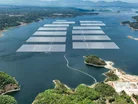
Sitting on the surface like high-tech seafaring vessels, floating solar farms are becoming an increasingly common feature of global clean energy strategies.
With an estimated value of US$43bn by 2030, floating solar arrays, also known as ‘floatovoltaics’, are carving out a growing share of the power generation landscape.
One of the most visible examples is the Cirata floating solar array in Indonesia, described by ABB – a key manufacturing and engineering partner in the project – as an "example to other global economies" looking to strengthen their clean energy production.
ABB believes floating photovoltaics (FPVs) will play a growing role in power infrastructure development.

Changing the cost of solar technology
ABB notes that solar power generation is already well established, and that installation costs have fallen by 90% over the past 10 years.
However, floating systems like Cirata still come at a premium compared with land-based alternatives. Even so, ABB expects these costs to come down as FPV deployment becomes more widespread.
There’s also growing recognition of their potential scale. According to the scientific journal Nature, if just 10% of the world’s hydropower reservoirs were covered with floating solar panels, it could match the electricity output of all fossil fuel power stations combined.
Ken Yap, Commercial Vice President at ABB Electrification Indonesia, says that FPVs offer strategic advantages not only to Indonesia but globally.
“We are proud to be part of this project, which is not only strategically important for Indonesia but also sets an example for other global economies that are looking to bolster their decarbonisation plans with floating solar technology,” he explains.
What makes floating solar farms attractive?
ABB points to a range of benefits that make FPVs an attractive option for many countries.
First, they remove the need for land acquisition, which is important in densely populated or agriculturally focused regions. By being located on water, they offer efficient land use and ease pressure on land development.
They also fit well into existing infrastructure, particularly when co-located with hydropower facilities. Reservoir dams can support FPV systems, improving the overall energy mix.

Another benefit is technical performance: panels installed over water are more easily cooled, which boosts efficiency.
There are also water conservation advantages. FPV installations reduce evaporation from lakes and reservoirs, helping to maintain water levels, which is crucial in regions where water availability is already under pressure.
Indonesia’s manufacturing and energy shift
Indonesia, the largest economy in south-east Asia and ranked seventh globally by gross domestic product, is putting floating solar at the centre of its renewable energy plans.
The country has set targets of 23% renewable generation by 2025 and 31% by 2050 – floating solar is seen as one way to meet these goals.
A leading example is the Cirata Reservoir in West Java, about 100km from the capital, Jakarta.
There, a 250-hectare floating solar installation is already in operation. The site is the result of a collaboration between Indonesia’s government and the Abu Dhabi-based renewables firm Masdar.
Cirata generates 192 MW of electricity, enough to supply around 50,000 homes. It’s currently the third largest floating solar installation globally and has the capacity to prevent 214,000 tonnes of carbon dioxide emissions annually.
With 340,000 photovoltaic panels installed, its scale reflects the industrial capacity required in both energy and manufacturing sectors. The total build cost is estimated at US$100m.
This is not an isolated effort. Indonesia is now planning 60 more floating PV projects as it explores the renewable potential of its 100 reservoirs and 521 lakes. This expansion signals a broader shift in infrastructure and manufacturing priorities for the country.
ABB played a central role in the development of Cirata, particularly in manufacturing and engineering support. The company worked on site with engineers to install, test and commission medium-voltage switchgear in the project’s first phase.
ABB supplied 17 units of its MV primary AIS UniGear ZS1 switchgear, equipped with Relion protection relays. These are used to control, protect and isolate electrical equipment, supporting the reliability of energy delivery.
The site also uses Relion REF 615 feeder protection and control relays. These devices enhance safety, especially as they allow remote operation and monitoring, a particularly useful feature in large, water-based solar installations.
As countries look for scalable energy solutions that don’t rely on land acquisition or fossil fuels, manufacturing and technology partnerships like ABB’s involvement at Cirata highlight a practical path forward.
Explore the latest edition of Manufacturing Digital and be part of the conversation at our global conference series, Manufacturing LIVE.
Discover all our upcoming events and secure your tickets today.
Manufacturing Digital is a BizClik brand.