What is Accenture's Physical AI Orchestrator?

Accenture has introduced a new digital solution aimed at redefining how factories and warehouses operate.
Physical AI Orchestrator integrates AI, simulation tools and cloud computing to help manufacturers streamline operations, boost productivity and reduce costs across supply chains.
This tool is built to help facilities become “software-defined,” which means they can operate using digital instructions and simulations rather than relying entirely on manual control or isolated systems. By embedding AI at the core of the physical environment, factories and warehouses can test, refine and implement operational changes with precision and minimal disruption.

Building a software-defined factory
At the centre of Physical AI Orchestrator is a combination of platforms and AI technologies.
The solution brings together NVIDIA Omniverse, NVIDIA Metropolis and proprietary AI agents from Accenture’s AI Refinery, which work together within a cloud-based environment to simulate and optimise operations.
The system uses digital twins – virtual models of physical systems – to mirror real-world environments, such as production lines or warehouse layouts. These digital replicas help detect operational issues, simulate potential changes and assess outcomes in real time. Once a digital twin identifies an improvement, the AI agents convert that insight into specific instructions for the physical system to implement.
These simulations can cover every aspect of the operation, from conveyor systems to factory layouts. Businesses can use the tool to redesign workflows, predict bottlenecks and assess risk without impacting live operations.
Accenture states the purpose of this solution is to enable both newly built and existing facilities to operate using a software-defined approach, with digital tools guiding physical processes.
Real-world outcomes and client results
Several organisations are already seeing clear benefits from using Physical AI Orchestrator.
Belden, a provider of network and data science technology, created a virtual safety fence using the platform. This solution allows robots and human workers to share the same environment more safely. If a human enters a robot’s workspace, the system automatically reroutes or stops the robot’s movement to avoid injury.
Meanwhile, a life sciences business is using the solution to simulate preservation cycles for biologics and vaccines, helping to extend product shelf life and reduce variation between batches, which are critical in regulated manufacturing environments.
Meanwhile, a consumer goods manufacturer has built a digital twin of its warehouse to test layout changes and resource allocation. After applying the system's recommendations, the business reported a 20% increase in throughput and a 15% reduction in capital expenditure.
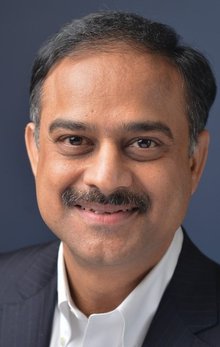
“Physical AI Orchestrator acts as a brain for a physical space,” says Prasad Satyavolu, Americas Lead of Accenture’s Digital Engineering and Manufacturing Service, Industry X. “Powered by NVIDIA Omniverse technologies and Accenture AI Refinery, it is designed to enable software-defined factories and to make agentic AI and physical AI part of the fabric of manufacturing.
“We are already seeing it provide quick and lasting benefits to our clients across the globe. This is particularly relevant to companies in the US, where manufacturing reinvention is a prerequisite for reindustrialisation.”
As markets continue to experience turbulence in 2025, manufacturers face pressure to build more resilient and adaptive supply chains. With tools like Physical AI Orchestrator, companies can experiment with new strategies virtually, with the confidence that decisions are informed by real-time data and AI-generated insights.
Platform capabilities in detail
The solution includes several components that help businesses integrate their current equipment and teams into a digital-first environment.
-
AI agents: These agents support engineers rather than replace them. They simulate future solutions—like new production lines—using historical project data, speeding up the design and decision-making process.
-
Reality capture: The platform creates and maintains digital twins using real-time scans. This allows it to detect changes and automatically update the model, keeping simulations in sync with physical environments.
-
Vision analytics: Cameras and sensors monitor everything from worker movement to material flow. This ensures simulations reflect current conditions and helps managers make accurate decisions.
-
XR extensions: Using extended reality (XR), teams can train and collaborate inside high-quality augmented environments. These digital environments mirror actual equipment and workflows, providing immersive training or planning sessions.
-
Asset connectors: Instead of requiring investment in new machinery, the system can link with existing assets through a “plug and play” approach. This lets companies bring legacy equipment into the simulation without needing to replace it.
By merging AI, simulation and extended reality, Accenture positions itself to support manufacturers through an era marked by complexity and shifting demands. Physical AI Orchestrator provides a method to trial, adapt and apply operational changes digitally, without risking disruption to live production or logistics systems.
As manufacturers seek flexible solutions to safeguard supply chain operations, this platform gives them a way to prepare for change while reducing cost and complexity.


Executives
Prasad Satyavolu
Lead- Industry X; Americas